Loading market data...
Persistently high government bond yields are emerging as a key macro challenge for State Bank of India, impacting treasury income, funding costs, and overall profitability. While elevated yields can support lending spreads, they also create mark-to-market pressures on bond portfolios. Investors are closely tracking inflation trends, RBI policy signals, and yield movements, as these factors will play a crucial role in shaping SBI’s margins, treasury performance, and near-term earnings outlook.
Persistently high government bond yields are emerging as a key macro headwind for State Bank of India, potentially impacting treasury gains, funding costs, and credit growth dynamics. While elevated yields can boost lending spreads, they also pressure bond portfolios and mark-to-market valuations. The situation creates a complex operating environment where SBI must balance margin expansion opportunities with treasury risks.
India’s banking sector is navigating a delicate macro landscape as government bond yields remain stubbornly high despite expectations of monetary easing. For State Bank of India (SBI), the country’s largest lender by assets, this trend carries significant implications across treasury operations, net interest margins (NIM), and capital deployment strategies.
Loading chart...
Bond yields are a critical macro variable for banks because they influence funding costs, loan pricing, investment portfolio valuations, and overall profitability.
Why Government Bond Yields Remain Elevated
Government bond yields typically reflect inflation expectations, fiscal borrowing needs, and monetary policy outlook. The current environment has seen yields stay firm due to multiple factors.
| Key Factor | Impact on Bond Yields |
|---|---|
| Sticky inflation trends | Keeps yields elevated |
| Large government borrowing | Increases supply of bonds |
| Global rate environment | Limits room for aggressive cuts |
| Strong credit demand | Sustains higher lending rates |
Higher yields indicate tighter financial conditions, which directly affect banking system liquidity and investment portfolios.
Expert Insight: “Banks with large government bond holdings are sensitive to yield movements. Elevated yields can lead to mark-to-market losses, especially in available-for-sale portfolios,” said a banking sector analyst.
Direct Impact on SBI’s Treasury Operations
SBI holds a significant portion of its assets in government securities (G-Secs) as part of statutory liquidity requirements and treasury management.
| Treasury Component | Effect of Rising Yields |
|---|---|
| Government bond portfolio | Valuation pressure |
| Trading income | Potential decline |
| Mark-to-market gains | Reduced or negative |
| Investment book returns | Lower short-term profitability |
When bond yields rise:
This can compress non-interest income for banks heavily exposed to G-Secs.
Net Interest Margin (NIM): A Double-Edged Sword
High bond yields also affect loan pricing and deposit costs, creating mixed outcomes for banks.
| Factor | Positive Impact | Negative Impact |
|---|---|---|
| Lending rates | Higher yields improve loan spreads | May slow credit demand |
| Deposit rates | Higher yields attract deposits | Increases funding costs |
| NIM outlook | Potential margin expansion | Pressure if deposit rates rise faster |
For SBI:
Expert Insight: “In the short term, higher yields can support loan pricing and spreads, but if deposit rates catch up, margin expansion becomes harder,” noted a senior banking strategist.
Capital and Balance Sheet Implications
High yields also influence capital allocation and risk management strategies.
| Area | Potential Impact on SBI |
|---|---|
| Capital adequacy | MTM losses may reduce buffers |
| Credit growth | May slow if borrowing costs rise |
| Investment strategy | Shift toward shorter-duration bonds |
| Profit mix | Greater reliance on core banking income |
Banks may respond by:
Sector-Wide Implications for Public Sector Banks
While SBI is the most prominent case, the broader PSU banking sector faces similar dynamics.
| Bank Category | Exposure to G-Secs | Yield Impact |
|---|---|---|
| Large PSU banks | High | Significant MTM sensitivity |
| Private banks | Moderate | Lower treasury volatility |
| Small finance banks | Lower | Minimal bond impact |
This environment could lead to:
Macro Outlook: What Could Move Yields Next
| Trigger | Likely Impact on Yields | Effect on SBI |
|---|---|---|
| Inflation cooling | Yields fall | Treasury gains improve |
| Rate cuts by RBI | Yields decline | Boost bond portfolio value |
| Higher fiscal deficit | Yields rise | Treasury pressure continues |
| Global rate hikes | Yields remain elevated | Funding costs increase |
What Investors Should Watch
Positive triggers:
Key risks:
Expert Insight: “SBI’s core banking franchise remains strong, but treasury performance will depend heavily on bond yield direction over the next few quarters,” said a fund manager tracking PSU banks.
Popular Trading Platforms for Banking Stock Investing in India
Investors tracking SBI and other banking stocks can use:
These platforms provide:
⚠️ DISCLAIMER: We Are Not Financial Advisors This article is for informational and educational purposes only and should not be considered investment advice. Stock market investments are subject to market risks. Please consult a certified financial advisor before making any investment decisions.

Financial journalist specializing in market analysis, stock research, and investment trends. Dedicated to providing accurate, timely insights for informed decision-making.
Credentials: Experienced financial journalist with expertise in equity markets and economic analysis
The information provided in this article is for educational and informational purposes only and should not be construed as financial, investment, or legal advice. Finscann does not provide personalized investment recommendations.
For detailed terms and conditions, please read our Disclaimer and Terms of Service.
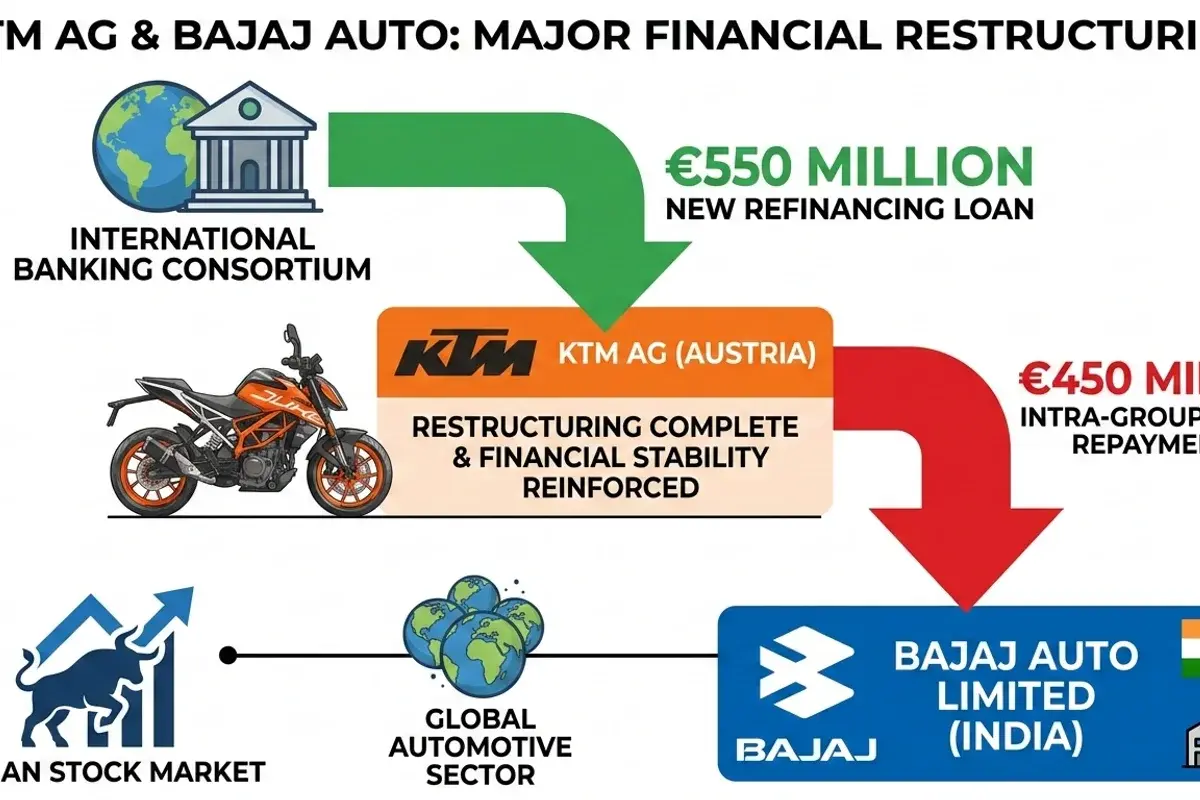
KTM AG repays €450M loan to Bajaj Auto's unit, completing restructuring. FinScann analyzes the financial impact on Bajaj Auto, Pierer Mobility, and...

Tata Elxsi launches DevStudio.ai, an ASPICE-aligned GenAI platform, poised to accelerate automotive software engineering and enhance productivity for...

Waaree Energies bags a significant 300 MW wind power project in Gujarat, marking a strategic expansion and contributing to India's ambitious...

“ABCL is entering a structurally stronger earnings phase, supported by synchronized momentum across lending, AMC, and insurance.

BSE shares surge over 4% after SEBI's critical nod for Sensex Next 30 index derivatives, bolstering its market position and revenue potential.