Loading market data...
ONGC reported muted Q3 results as falling crude oil prices and flat production impacted standalone revenue and EBITDA. However, improved gas realizations and rising contributions from premium-priced new gas wells provided partial support to earnings. With a strategic focus on expanding gas output and developing new fields, ONGC aims to reduce dependence on volatile crude prices and build a more stable, gas-driven revenue stream in the coming years.

Oil and Natural Gas Corporation Ltd reported muted Q3 performance as falling crude oil prices and flat production weighed on standalone revenue and EBITDA. While profit pressures persisted, higher gas realizations and improving contributions from new gas wells provided partial support. With a strategic shift toward gas-led growth and new field development, ONGC is positioning itself to counter crude price volatility and sustain long-term earnings stability.
India’s upstream energy giant Oil and Natural Gas Corporation Ltd delivered a subdued December quarter performance, reflecting the direct impact of global crude price weakness on exploration and production companies.
The quarter highlighted a key structural shift: while crude earnings softened, gas realizations improved, offering a glimpse into ONGC’s evolving strategy to balance its revenue mix. This transition toward gas could become a critical long-term growth driver as global energy markets move toward cleaner fuels.
Shutterstock Oil and gas refinery infrastructure at sunset
Standalone Performance: Crude Price Weakness Hits Earnings
ONGC’s standalone financials for Q3 reflected pressure from declining oil prices and stagnant production levels.
| Metric | Q3 FY26 | YoY Change |
|---|---|---|
| Revenue | ₹31,500 crore | -6% |
| EBITDA | ₹17,300 crore | -9% |
| Crude realization | $61.6 per barrel | -15% |
| Production | 10.2 million tonnes | -1.3% |
The key factor behind the decline was a sharp fall in crude oil price realization, which hit a 15-quarter low during the period.
This highlights the structural challenge faced by upstream companies: earnings remain tightly linked to global oil price cycles.
Consolidated Performance: Refining Subsidiary Provides Cushion
While standalone numbers weakened, ONGC’s consolidated performance remained relatively stable.
| Metric | Q3 FY26 | YoY Change |
|---|---|---|
| Revenue | ₹1.67 trillion | Flat |
| EBITDA | ₹27,400 crore | +3% |
The resilience came primarily from Hindustan Petroleum Corporation Ltd, ONGC’s downstream refining subsidiary.
Lower crude prices:
This diversified structure helped ONGC maintain consolidated earnings stability despite upstream headwinds.
Gas Realizations: The Bright Spot in an Otherwise Soft Quarter
One of the most encouraging developments in Q3 was the improvement in gas realizations.
| Metric | Q3 FY26 |
|---|---|
| Gas realization | ₹23.2 per SCM |
| YoY growth | ~6% |
| NWG share in gas revenue | 18% |
The growth was driven by New Wells Gas (NWG), which commands a 20% premium over administered price mechanisms.
Future projections:
| Year | NWG Contribution to Gas Revenue |
|---|---|
| FY26 (Q3) | 18% |
| FY27 (estimated) | 24% |
| Next 3–4 years | 35%+ |
This indicates a structural shift toward gas as a major earnings contributor.
Production Trends: Flat Output Remains a Concern
ONGC’s overall oil and gas production saw a 1.3% decline, totaling 10.2 million tonnes.
Key challenges:
Production growth remains critical because:
Global Oil Market Context: Why Crude Prices Remain Soft
The crude oil market continues to face:
This environment has pushed prices lower, impacting upstream companies like ONGC.
For such firms:
Strategic Pivot: Gas as ONGC’s Long-Term Growth Engine
Recognizing the volatility in crude markets, ONGC is increasingly focusing on:
Strategic benefits of gas expansion:
Gas demand in India is expected to rise as the country:
Expert Insight: “ONGC’s muted quarter reflects the cyclical nature of upstream earnings. However, the rising share of premium-priced gas from new wells is a structural positive. If the company successfully scales gas production, it could reduce earnings volatility and improve long-term return ratios.”
Key Financial and Investment Metrics
| Parameter | Status |
|---|---|
| Core segment | Oil and gas exploration |
| Revenue sensitivity | Highly linked to crude prices |
| Gas contribution | Increasing steadily |
| Dividend profile | Historically strong |
| Strategic focus | Gas-led growth |
Investor Takeaways
Investors looking to trade ONGC shares can consider:
⚠️ DISCLAIMER: We Are Not Financial Advisors This article is for informational purposes only. Stock market investments carry risks. Please consult a SEBI-registered financial advisor before making any investment decisions.

Financial journalist specializing in market analysis, stock research, and investment trends. Dedicated to providing accurate, timely insights for informed decision-making.
Credentials: Experienced financial journalist with expertise in equity markets and economic analysis
The information provided in this article is for educational and informational purposes only and should not be construed as financial, investment, or legal advice. Finscann does not provide personalized investment recommendations.
For detailed terms and conditions, please read our Disclaimer and Terms of Service.

Blue Cloud Softech shares jump 4% after acquiring Global Impex Inc., strengthening its Blue Energy platform and expanding into scalable clean energy...
Akzo Nobel India, now part of JSW Paints, commits ₹65 crore from Dulux royalty savings to fuel aggressive market share expansion and innovation.
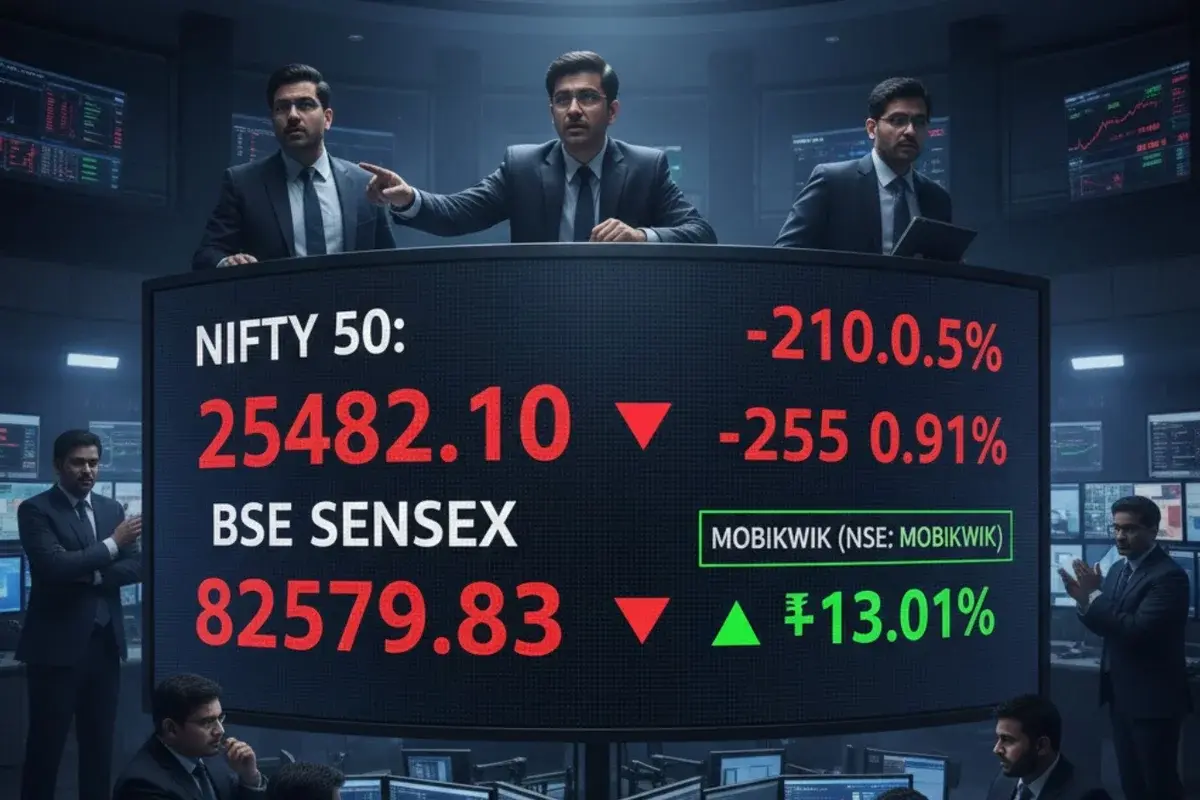
Indian markets experience a sharp correction in February 2026, with Nifty 50 at critical support levels.
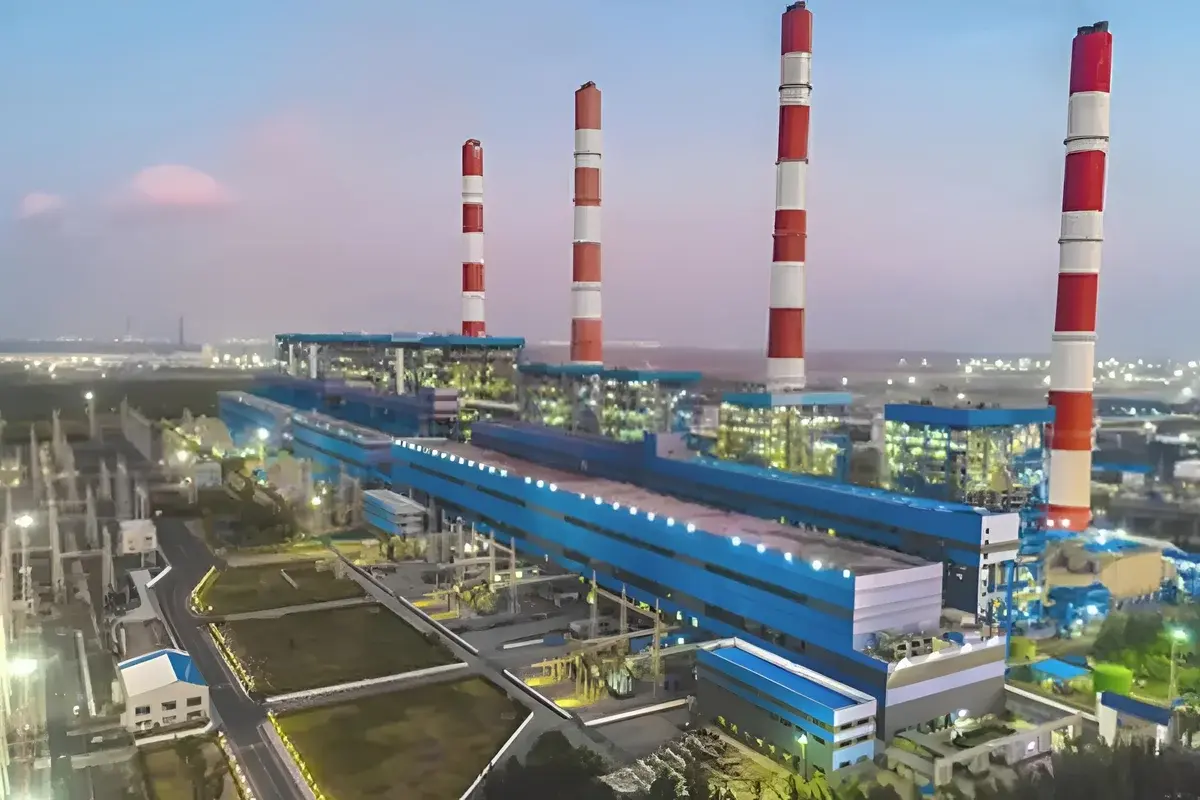
Adani Power’s subsidiary Moxie Power wins a 558 MW, 5-year power supply contract from Tamil Nadu at ₹5.910 per unit.

Coforge shares plummet 5% as Nifty 50 struggles below 25,500. FinScann analyzes the IT sector's challenges, market impact, and investor outlook for...