Loading market data...
Gujarat Gas shares plunge nearly 7% as Middle East conflict disrupts R-LNG supply, forcing force majeure. FinScann analyzes market impact and energy security.
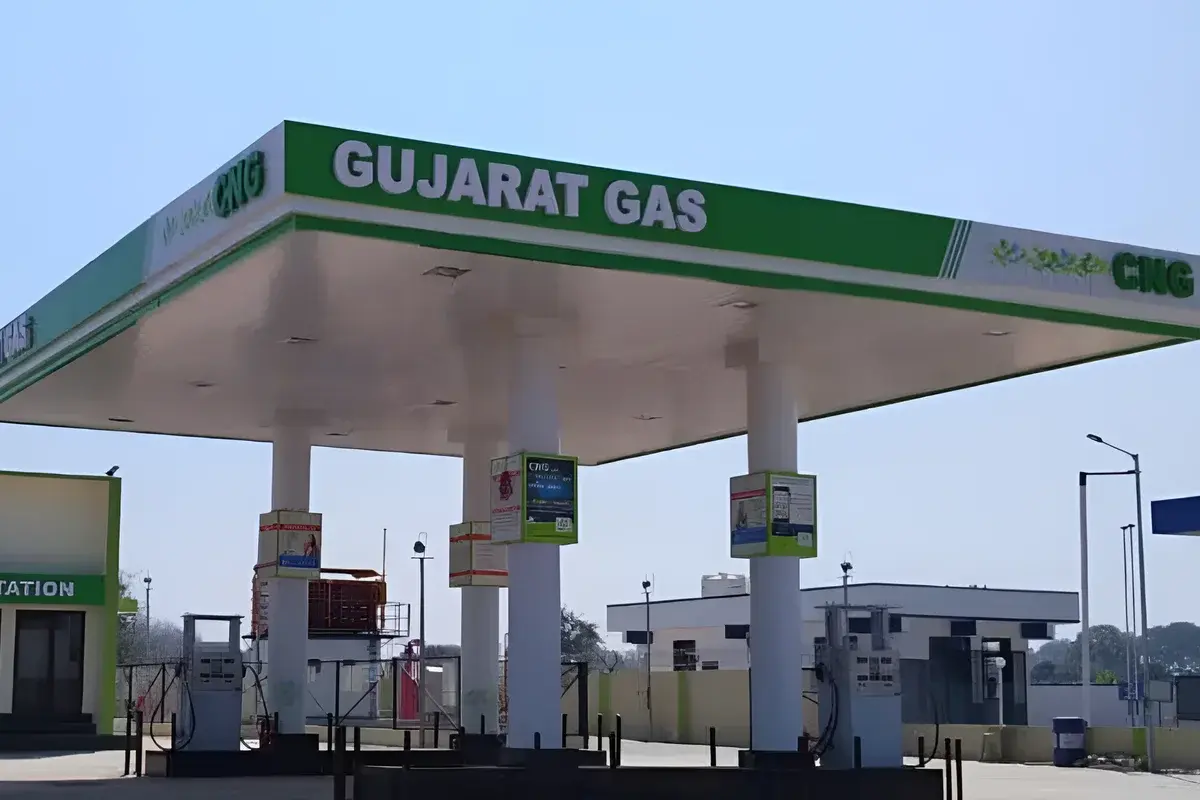
The escalating geopolitical tensions in the Middle East have delivered a significant shock to India's energy landscape, with Gujarat Gas Limited bearing the immediate brunt. The company's recent declaration of Force Majeure due to severe constraints in Regasified Liquefied Natural Gas (R-LNG) supply, effective March 6, 2026, underscores the profound vulnerability of gas distribution companies to global supply chain disruptions. This unforeseen event triggered a sharp nearly 7% drop in Gujarat Gas shares on Thursday, March 5, demanding a thorough reassessment of energy sector investment strategies and India's overall energy security in a volatile global environment.
The Indian energy sector is currently navigating a complex confluence of robust domestic demand and heightened international volatility. Despite a resilient broader Indian stock market, the geopolitical risks emanating from the Middle East are sending ripple effects across the gas value chain, impacting companies heavily reliant on imported LNG. This situation brings into sharp focus the imperative for diversified sourcing and resilient supply chains for key energy players like Gujarat Gas.
The Catalyst: Geopolitical Ripples Hit Home
The immediate trigger for the downturn in Gujarat Gas shares was the company's announcement of Force Majeure Notices to its industrial customers. This extraordinary measure, issued on March 4, 2026, and effective from March 6, 2026, was necessitated by "severe constraints in the availability of R-LNG" directly attributed to the ongoing conflict in the Middle East region. Reports indicate that the disruptions, including attacks on facilities and threats to the vital Strait of Hormuz, have significantly impacted the global gas supply scenario, with Qatar, a key supplier to India, reportedly halting LNG production.
Critically, Gujarat Gas has clarified that "Acts of War" are not covered under its existing insurance policies, and the "likely impact of this Force Majeure event... cannot be estimated at this point in time". This lack of clarity on financial implications further exacerbated investor concerns, leading to a significant valuation reset for the stock. The parent company, Gujarat State Petronet (GSPC), sources most of its gas from Qatar and Abu Dhabi National Oil Co for sale to local customers, making it highly susceptible to these disruptions. Other Indian gas firms, including Petronet LNG, have also invoked similar clauses, highlighting a systemic risk across the nation's energy import infrastructure.
Company Snapshot: Gujarat Gas Limited
| Metric | Details |
|---|---|
| Company Name | Gujarat Gas Limited |
| Founded | 1980 |
| Sector / Industry | City Gas Distribution (CGD), Oil & Gas |
| Business Model | Distribution of natural gas through pipelines and compressed gas networks to multiple customer segments. |
| Revenue Model | Generates revenue by supplying PNG (Piped Natural Gas) and CNG (Compressed Natural Gas) to industrial, commercial, and residential consumers. Also sources R-LNG (Re-gasified Liquefied Natural Gas) from international suppliers and domestic producers. |
| Market Position | Recognized as India’s largest City Gas Distribution (CGD) company by volume and coverage in key industrial zones. |
| Operational Coverage | Operates across 649+ human settlements across 19 districts of Gujarat and some Union Territories. |
| Core Customer Segments | Industrial consumers, commercial establishments, residential households, and transportation (CNG vehicles). |
| Key Infrastructure | Extensive pipeline network, city gas distribution infrastructure, CNG stations, and LNG sourcing arrangements. |
| Financial Snapshot (FY2019–20) | Revenue: ₹10,610 crore |
| Net Income (FY2019–20) | ₹1,195 crore |
| Competitive Advantage | Strong infrastructure network, dominant presence in Gujarat industrial clusters, high penetration in licensed CGD areas, and long-term gas sourcing arrangements. |
| Primary Data Sources | Official website: www.gujaratgas.com and publicly available company disclosures. |
Financial Forensics: The Shadow of Supply Disruption
The Force Majeure declaration by Gujarat Gas signals a direct threat to its revenue growth and profitability. The restriction on Daily Contracted Quantity (DCQ) for industrial customers, which often represent a significant portion of CGD companies' high-margin business, could lead to a material reduction in sales volumes. While the company cannot currently estimate the financial impact, FinScann analysis indicates several potential headwinds:
Revenue Impact: Reduced gas supply directly translates to lower volumes sold, hitting top-line revenue. The dependence on R-LNG imports from volatile regions like the Middle East makes the company's revenue stream susceptible to geopolitical shocks and natural gas price volatility.
EBITDA Margins: Even if the company manages to secure alternative, more expensive R-LNG cargoes from the spot market, the increased procurement costs, coupled with potential caps on passing these costs entirely to regulated customers, will undoubtedly compress EBITDA margins. This pressure will be further amplified if supply cuts extend beyond industrial segments.
Cash Flow Strength & Working Capital: Disruptions in supply and potential renegotiations of contracts could impact the predictability of cash flows. Furthermore, if the company has to increasingly rely on spot purchases or longer shipping routes, elevated freight and insurance costs could strain working capital requirements.
Debt Levels: While Gujarat Gas's historical financial health isn't explicitly detailed in the provided context for FY26, a sustained period of reduced revenue and compressed margins could put pressure on debt servicing capabilities, particularly if capital discipline is not maintained.
The situation underscores the inherent risks in the energy sector, particularly for companies with high import dependency. India imported 27 million tonnes of LNG in 2024/25, with Qatar being a major supplier, accounting for about half of its overall gas consumption. Any prolonged disruption to this supply chain poses a significant threat.
Strategic Analysis: Navigating a Shifting Landscape
Gujarat Gas's business model durability hinges on its ability to consistently source and distribute natural gas within its licensed geographical areas. The current crisis tests the resilience of this model.
Competitive Positioning: While Gujarat Gas enjoys a near-monopoly in its authorized GAs, the overarching challenge of feedstock security impacts all CGD players. However, its scale as India's largest CGD company might provide some leverage in securing diversified supply contracts compared to smaller players.
Scalability & Unit Economics: The CGD sector in India is poised for significant growth, with natural gas consumption projected to rise by nearly 60% by 2030, driven by the expansion of CNG infrastructure and industrial demand. However, this growth trajectory requires robust and secure gas supply. The current R-LNG shortage directly impacts the unit economics by increasing input costs.
Capital Efficiency: Investment in pipeline infrastructure, while crucial for long-term growth, needs to be balanced against the volatility of gas sourcing. The recent events highlight the need for capital allocation discipline towards securing supply and potentially exploring alternative gas sources.
Regulatory Landscape: The Petroleum & Natural Gas Regulatory Board (PNGRB) plays a crucial role in the CGD sector. Pricing mechanisms and the ability to pass on increased costs to consumers will be critical. Regulatory support for long-term gas supply contracts and infrastructure development will be key to mitigating future shocks.
Growth Drivers
Expanding CGD Network: The Indian government's vision for a gas-based economy aims to increase natural gas's share in the energy mix from 6% to 15% by 2030. This necessitates continued expansion of the City Gas Distribution (CGD) network, supporting growth in PNG and CNG segments.
Industrial Demand: Small industrial users, particularly in the ceramic cluster of Gujarat, heavily rely on natural gas for its cost-effectiveness and cleaner burning properties. Despite current disruptions, underlying industrial growth provides a strong demand base.
Urbanization & Infrastructure Development: Rapid urbanization and the development of new industrial corridors will continue to drive demand for piped natural gas (PNG) in households and commercial establishments.
Favorable Policy Push: Government initiatives promoting cleaner fuels and expanding gas pipeline infrastructure across the country, as evidenced by various PNGRB bidding rounds, support long-term sectoral growth.
Risk Factors
Margin Pressure: Elevated R-LNG prices and potential limitations on passing these costs to consumers could severely impact EBITDA margins and overall profitability.
Geopolitical Risks & Supply Volatility: Continued conflict in the Middle East or other key energy-producing regions poses an ongoing threat to the availability and pricing of imported LNG.
Competitive Intensity: While Gujarat Gas holds a dominant position in its operating areas, the broader energy market is competitive. Sustained supply issues could force industrial clients to explore alternative, albeit less efficient, fuel sources.
Regulatory Uncertainty: Any adverse changes in gas pricing policies, allocation mechanisms, or force majeure guidelines by regulatory bodies could further impact the company's financial health.
Demand Slowdown: A prolonged period of restricted supply or significantly higher gas prices could lead to a temporary slowdown in demand from industrial and commercial segments as they seek alternatives.
Industry or Sector Heatmap: Indian City Gas Distribution
| Segment | Current Momentum | Outlook | Capital Flow Sentiment |
|---|---|---|---|
| Piped Natural Gas (PNG) - Domestic | Steady growth | Strong, policy-backed | Positive |
| Compressed Natural Gas (CNG) - Vehicular | High growth, EV transition in long-term | Positive, infra-led | Mixed |
| PNG - Industrial/Commercial | High demand, but vulnerable to supply | Mixed, supply-dependent | Cautious |
| R-LNG Sourcing/Imports | Highly volatile | Challenging | Negative |
| Gas Infrastructure Development | Robust | Very Positive | Positive |
Comparative Table: Key Indian CGD Players
| Company | Revenue Scale (Approx. FY24) | EBITDA (Indicative) | Valuation (P/E Ratio, indicative) | Strategic Position |
|---|---|---|---|---|
| Gujarat Gas | Large | Moderate to High | Subject to current events | Largest CGD; strong presence in Gujarat's industrial belt |
| Indraprastha Gas (IGL) | Large (₹15,717 Cr FY24) | Moderate to High | Moderate (P/E 13.2) | Dominant in Delhi NCR, diversified customer base |
| Mahanagar Gas (MGL) | Medium to Large | Moderate to High | Moderate | Strong presence in Mumbai & adjoining areas |
Note: Indicative figures and valuations are subject to market changes and specific financial reporting periods. P/E ratio for IGL is as per latest available data. Exact, up-to-date EBITDA and precise revenue scales for FY26 for all companies are not uniformly available in the provided context but are generalized for comparative understanding.
“Institutional investors are increasingly prioritizing EBITDA visibility and sustainable cash flow generation over top-line growth, especially in sectors exposed to geopolitical risks. The Gujarat Gas situation is a stark reminder that supply chain resilience is now a critical factor influencing investment play in the energy space,” says a Mumbai-based fund manager tracking the sector.
Market Impact: Navigating the Volatility
The fall in Gujarat Gas shares reflects broader investor nervousness around geopolitical risk and its direct impact on India's energy sector. While the broader Indian market has shown resilience, energy stocks, particularly those dependent on imports, are under heightened scrutiny. The Nifty Energy index could see increased volatility as markets digest the implications of global energy supply disruptions. Companies with high exposure to international supply chains and those unable to fully pass on higher input costs are likely to face pressure. Investors will be keenly watching for updates on R-LNG supply stabilization and any government interventions to cushion the impact on the crucial industrial sector. This event underscores the need for selective blue-chip stocks and dividend stocks with robust domestic supply chains and strong capital discipline in current volatile times.
Key Takeaways for Investors
Monitor Geopolitical Developments: The Middle East conflict remains a critical variable influencing energy markets. Investors should track its evolution and potential impact on global LNG supply.
Assess Supply Chain Resilience: For energy sector investments, prioritize companies with diversified sourcing strategies or stronger domestic gas production capabilities.
Evaluate Pricing Power: Companies with the ability to pass on increased input costs to end-consumers without significant demand destruction will be better positioned.
Focus on Fundamentals: In volatile times, cash runway and profitability roadmap become paramount. Look for companies with strong balance sheets and sustainable EBITDA margins.
Long-Term View on CGD: Despite short-term shocks, India's long-term push towards a gas-based economy remains intact, making the CGD sector a potential alpha generation opportunity for patient investors once supply stability returns.
FinScann Verdict
The Gujarat Gas episode serves as a powerful reminder of the interconnectedness of global events and domestic market performance. While the immediate outlook presents challenges due to R-LNG supply constraints and the inability to estimate financial impact, the long-term fundamentals for India's CGD sector remain compelling. Investors should adopt a cautious yet analytical approach, emphasizing companies with strong operational resilience, robust risk management, and the strategic agility to adapt to evolving geopolitical and energy supply dynamics.
Q: What is the primary reason for Gujarat Gas issuing Force Majeure Notices?
A: Gujarat Gas issued Force Majeure Notices to its industrial customers due to severe constraints in the availability of Regasified Liquefied Natural Gas (R-LNG) caused by the ongoing war in the Middle East region, which has significantly impacted the global gas supply scenario.
Q: How does the Middle East conflict specifically impact India's R-LNG supply?
A: The conflict impacts India's R-LNG supply by disrupting global gas supply chains, potentially leading to a halt in production from key suppliers like Qatar and threatening critical shipping routes like the Strait of Hormuz. India is heavily reliant on LNG imports, with Qatar being a significant source.
Q: Is Gujarat Gas insured against these "Acts of War" disruptions?
A: No, Gujarat Gas Limited has explicitly stated that "Acts of War" are not covered under the company's existing insurance policies.
Q: What is the expected financial impact of this Force Majeure event on Gujarat Gas?
A: At present, Gujarat Gas has stated that the "likely impact of this Force Majeure event, which is currently an ongoing event, cannot be estimated at this point in time". This uncertainty contributes to investor apprehension.
Q: How might this situation affect other City Gas Distribution (CGD) companies in India?
A: Other CGD companies, especially those with high dependency on imported R-LNG, could also face similar supply constraints and margin pressures. The overall Indian gas market faces elevated risk, leading to potential yield compression across the sector.
Trading Platforms for Indian Equities:
For investors looking to participate in the Indian equity markets, popular trading platforms include Zerodha, Groww, Upstox, and Angel One, offering a range of services for retail and institutional clients.
Disclaimer: For information only; not investment advice. Stock market investments carry risks. Please consult a SEBI-registered advisor before investing. FinScann assumes no liability for decisions made based on this report.

Financial journalist specializing in market analysis, stock research, and investment trends. Dedicated to providing accurate, timely insights for informed decision-making.
Credentials: Experienced financial journalist with expertise in equity markets and economic analysis
The information provided in this article is for educational and informational purposes only and should not be construed as financial, investment, or legal advice. Finscann does not provide personalized investment recommendations.
For detailed terms and conditions, please read our Disclaimer and Terms of Service.
“ABCL is entering a structurally stronger earnings phase, supported by synchronized momentum across lending, AMC, and insurance.
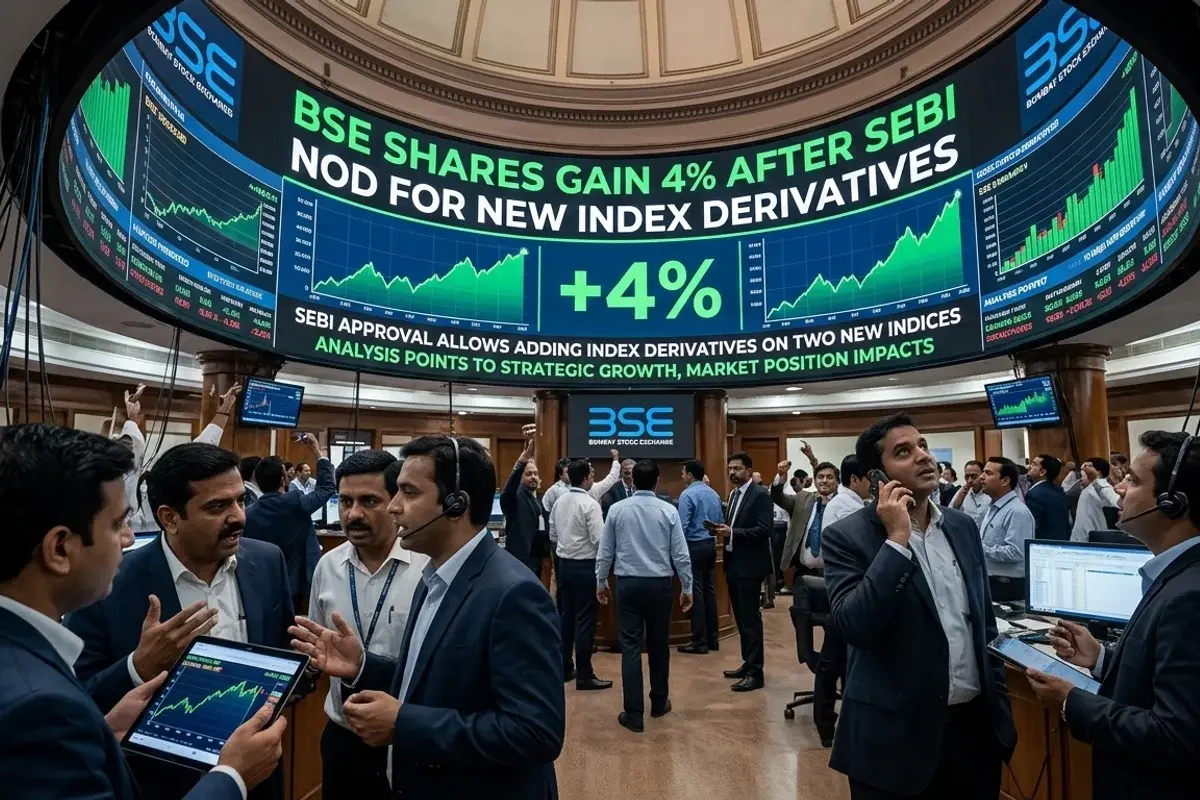
BSE shares surge over 4% after SEBI's critical nod for Sensex Next 30 index derivatives, bolstering its market position and revenue potential.

Coforge's strategic healthcare push, marked by 70.7% segment growth in FY25. Explore AI-led acquisitions, key partnerships, and market impact.

Bharat Forge stock gained after North America’s Class 8 truck orders surged to 47,200 units in February, up 159% YoY.

BSE Ltd. shares gained after SEBI approved new index derivatives on the Sensex Next 30. Explore the impact on BSE’s derivatives business, market...