Loading market data...
The Indian government has received financial bids for the strategic disinvestment of IDBI Bank, moving closer to the sale of a 60.72% controlling stake jointly held by the Centre and LIC. With major domestic and global financial institutions in the race, the privatisation process has entered its decisive evaluation phase. The deal, expected to generate over ₹350 billion, could reshape India’s banking landscape, improve operational efficiency, and set the tone for future public sector disinvestments.
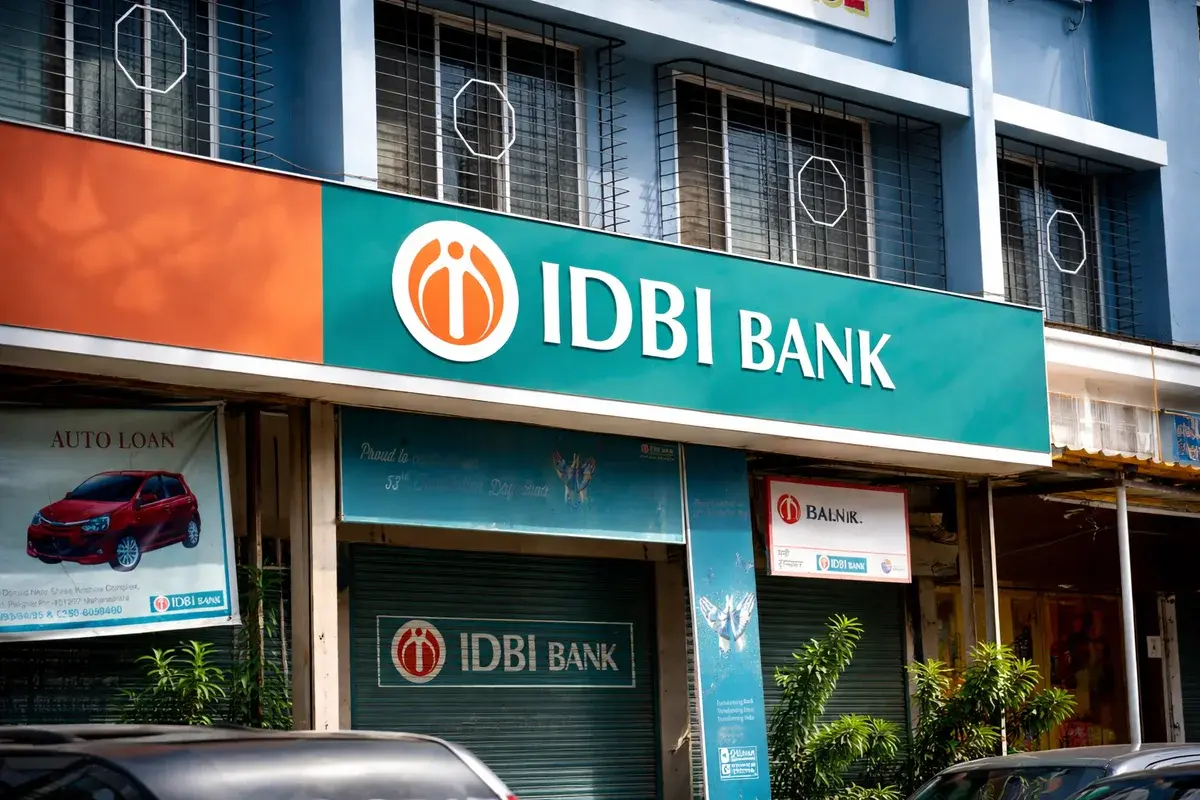
The Indian government has received financial bids for the strategic disinvestment of IDBI Bank, marking a decisive step in selling a 60.72% combined stake held by the Centre and LIC. With major financial institutions in the race and the process gaining momentum after regulatory clearances, the transaction could raise over ₹350 billion and reshape the competitive landscape of India’s banking sector.
India’s long-awaited plan to privatise IDBI Bank has entered a crucial phase. After years of policy discussions, restructuring efforts, and regulatory delays, the government has confirmed that financial bids have been received and will now be evaluated. The move signals a major step forward in the country’s strategic disinvestment programme.
Loading chart...
The Core Deal: What’s Being Sold
The government and LIC are jointly divesting a 60.72% controlling stake in IDBI Bank, which includes a transfer of management control to the winning bidder.
Key highlights of the transaction:
Once the deal is completed, the government’s stake is expected to fall to around 15%, while LIC’s holding may reduce to about 19%.
This would make it one of the most significant strategic disinvestments since the sale of Air India.
Bidders in the Race
Reports suggest several major financial players are competing for the acquisition.
Key contenders include:
Among these, Kotak Mahindra Bank is reportedly leading the race, indicating strong domestic interest in expanding banking market share.
The diversity of bidders—from domestic banks to global financial institutions—reflects the strategic value of IDBI Bank’s balance sheet, branch network, and customer base.
Why the Deal Was Delayed
The privatisation process was first initiated in October 2022, when the government invited expressions of interest.
However, the transaction faced significant hurdles:
These issues were largely resolved in the second half of 2025, allowing the process to regain momentum.
Valuation Surge Strengthens the Sale
Since the initial disinvestment announcement, IDBI Bank’s stock has seen a strong rally.
Recent market developments:
At current levels, the combined transaction could generate over ₹700 billion in proceeds for both sellers.
What This Means for India’s Banking Sector
The privatisation of IDBI Bank is more than just a stake sale. It is a signal of structural reform in India’s financial system.
Potential sector impacts:
If successful, the transaction could become a blueprint for future public sector bank privatisations.
Before vs After Privatisation: Expected Changes
| Metric | Before Sale | After Sale (Expected) |
|---|---|---|
| Ownership | Govt + LIC | Private strategic owner |
| Management control | Public sector | Private management |
| Efficiency focus | Moderate | High |
| Capital allocation | Policy-driven | Market-driven |
| Investor perception | PSU discount | Potential re-rating |
Timeline: What Happens Next
The process now moves into the evaluation stage.
Expected sequence:
Officials initially aimed to close the deal within the current financial year, but indications suggest it may conclude in FY27, aligning with the government’s disinvestment targets.
Investor Perspective: Opportunities and Risks
Positive triggers
Key risks
Final Takeaway
The receipt of financial bids marks a turning point in IDBI Bank’s privatisation journey. With major domestic and global institutions in the race, the deal could reshape India’s banking landscape, unlock significant capital for the government, and set the tone for future disinvestment initiatives.
⚠️ DISCLAIMER: We Are Not Financial Advisors This article is for informational purposes only and does not constitute investment advice. Readers should consult certified financial advisors before making investment decisions.

Financial journalist specializing in market analysis, stock research, and investment trends. Dedicated to providing accurate, timely insights for informed decision-making.
Credentials: Experienced financial journalist with expertise in equity markets and economic analysis
The information provided in this article is for educational and informational purposes only and should not be construed as financial, investment, or legal advice. Finscann does not provide personalized investment recommendations.
For detailed terms and conditions, please read our Disclaimer and Terms of Service.
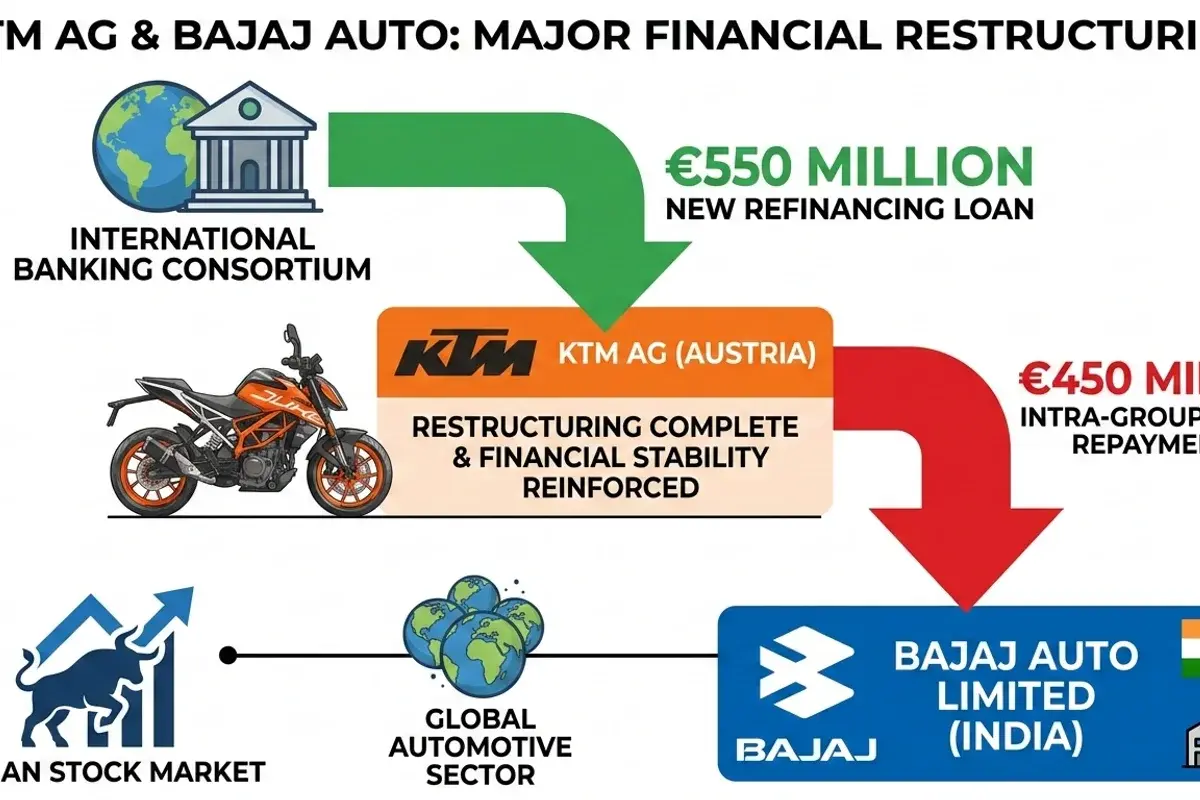
KTM AG repays €450M loan to Bajaj Auto's unit, completing restructuring. FinScann analyzes the financial impact on Bajaj Auto, Pierer Mobility, and...

Tata Elxsi launches DevStudio.ai, an ASPICE-aligned GenAI platform, poised to accelerate automotive software engineering and enhance productivity for...

Waaree Energies bags a significant 300 MW wind power project in Gujarat, marking a strategic expansion and contributing to India's ambitious...
“ABCL is entering a structurally stronger earnings phase, supported by synchronized momentum across lending, AMC, and insurance.

BSE shares surge over 4% after SEBI's critical nod for Sensex Next 30 index derivatives, bolstering its market position and revenue potential.