Loading market data...
GMR Airports reported a strong Q3FY26 performance, driven by tariff-led aero yield expansion at Delhi Airport and steady growth in non-aero revenues. The company is entering a structural earnings inflection phase, with EBITDA rising and net debt expected to peak in FY26 before declining. The near completion of Bhogapuram airport and improving cash flows position the company for long-term growth and potential valuation re-rating.
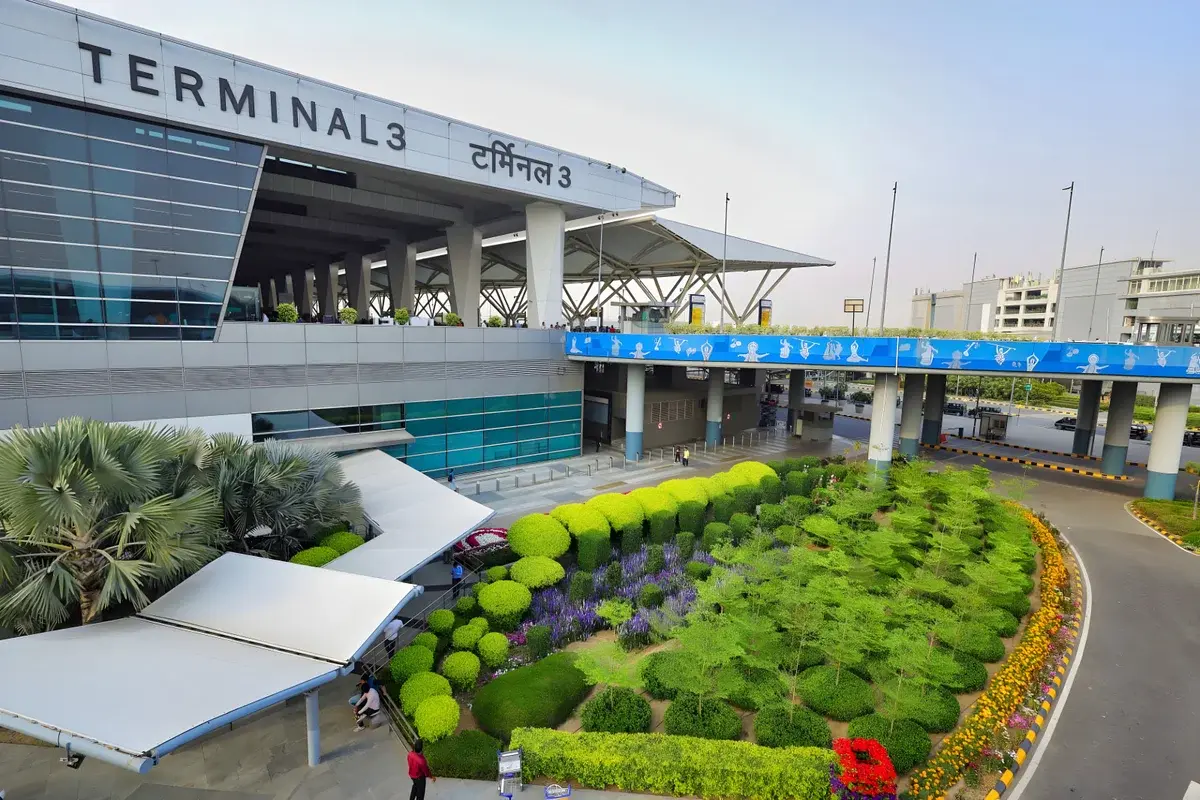
GMR Airports has reported a structural earnings inflection in Q3FY26, driven by tariff-led aero yield expansion at Delhi Airport and steady growth in non-aero revenues. With EBITDA scaling up, net debt expected to peak in FY26, and the Bhogapuram airport nearing completion, the company appears to be entering a cash generation and deleveraging phase, with analysts assigning a target price of ₹140 against a CMP near ₹100.
India’s aviation sector is witnessing a strong post-pandemic recovery, with passenger traffic rising steadily and airports benefiting from higher aeronautical tariffs and growing non-aero revenue streams. As airlines expand capacity and travel demand improves, airport operators are entering a phase of improved operating leverage and margin expansion.
In this environment, GMR Airports has reported a strong Q3FY26 performance, signaling a structural earnings turnaround. Analysts now see the company transitioning from a capex-heavy phase to a cash generation and deleveraging cycle.
Loading chart...
GMR Airports’ latest quarterly performance indicates a major shift in earnings trajectory.
This implies a potential upside of around 40%, depending on market conditions and execution.
The primary catalyst behind the earnings surge is the increase in aeronautical tariffs at Delhi International Airport (DIAL), one of India’s busiest aviation hubs.
Aeronautical revenue
Non-aeronautical revenue
This dual-engine revenue model helps airport operators:
The company has reported significant improvement in operating margins, supported by higher yields and better cost absorption.
| Metric | FY24 | FY25 | FY26E |
|---|---|---|---|
| Revenue | ₹7,500+ Cr | ₹9,000+ Cr | ₹11,000–12,000 Cr |
| EBITDA | ₹3,200+ Cr | ₹4,000+ Cr | ₹5,500–6,000 Cr |
| EBITDA Margin | 42–44% | 44–46% | 48–50% |
| Net Debt | ₹32,000+ Cr | ₹34,000+ Cr | ₹34,500 Cr (peak) |
| ROCE | Improving | Improving | Stronger trend expected |
Estimates based on sector trends and company guidance.
One of the key investor concerns around GMR Airports has been its high leverage, driven by years of heavy capital expenditure.
| Fiscal Year | Net Debt |
|---|---|
| FY24 | ~₹32,000 crore |
| FY25 | ~₹34,000 crore |
| FY26E | ~₹34,500 crore (peak) |
| FY27 onward | Expected decline |
The company expects debt to moderate from FY27 as:
This marks the start of a deleveraging cycle, which is often a key trigger for valuation re-rating.
One of the most important developments is the near completion of the Bhogapuram Airport project.
| Metric | Details |
|---|---|
| Completion status | 96% done |
| Expected commissioning | Q2FY27 |
| Strategic importance | New growth engine |
| Impact | Revenue expansion and cash flow generation |
The commissioning of Bhogapuram airport is expected to:
Analysts are now valuing GMR Airports using a segment-wise Sum-of-the-Parts (SOTP) framework instead of a single airport asset-based valuation.
This approach typically results in:
| Metric | Current Level |
|---|---|
| Current Market Price | ₹99.89 |
| Target Price | ₹140 |
| Potential Upside | ~40% |
| EV/EBITDA (FY26E) | 12–15x range |
| Debt Outlook | Peaking in FY26 |
Expert Insight: “Airport operators tend to see sharp valuation re-rating once they transition from heavy capex phases to cash generation cycles. With tariff hikes, rising passenger traffic, and Bhogapuram nearing completion, GMR Airports appears to be entering that phase.”
India’s aviation industry is expected to grow at a strong pace over the next decade.
According to Ministry of Civil Aviation, India aims to significantly increase the number of operational airports over the next decade, creating long-term opportunities for airport operators.
| Company | Core Focus | Strength |
|---|---|---|
| GMR Airports | Airport development and operations | Large asset portfolio |
| Adani Airports | Airport operations | Strong financial backing |
| GVK (select assets) | Airport projects | Strategic locations |
GMR remains one of the largest private airport operators in India with global exposure.
Structural earnings turnaround
Tariff-led revenue growth
Non-aero business expansion
Bhogapuram commissioning
Deleveraging phase ahead
With rising air traffic, tariff expansion, and new airport assets coming online, GMR Airports appears to be entering a structural growth and deleveraging phase.
If execution remains strong, the company could benefit from:
Investors tracking aviation and infrastructure stocks like GMR Airports can use:
GMR Airports’ Q3FY26 performance signals a structural earnings inflection, supported by tariff hikes, non-aero growth, and major project completions. With debt expected to peak in FY26 and Bhogapuram nearing commissioning, the company appears set to enter a cash generation and deleveraging phase.
For long-term investors, the stock offers exposure to:
⚠️ DISCLAIMER: We Are Not Financial Advisors

Financial journalist specializing in market analysis, stock research, and investment trends. Dedicated to providing accurate, timely insights for informed decision-making.
Credentials: Experienced financial journalist with expertise in equity markets and economic analysis
The information provided in this article is for educational and informational purposes only and should not be construed as financial, investment, or legal advice. Finscann does not provide personalized investment recommendations.
For detailed terms and conditions, please read our Disclaimer and Terms of Service.

Blue Cloud Softech shares jump 4% after acquiring Global Impex Inc., strengthening its Blue Energy platform and expanding into scalable clean energy...

Akzo Nobel India, now part of JSW Paints, commits ₹65 crore from Dulux royalty savings to fuel aggressive market share expansion and innovation.
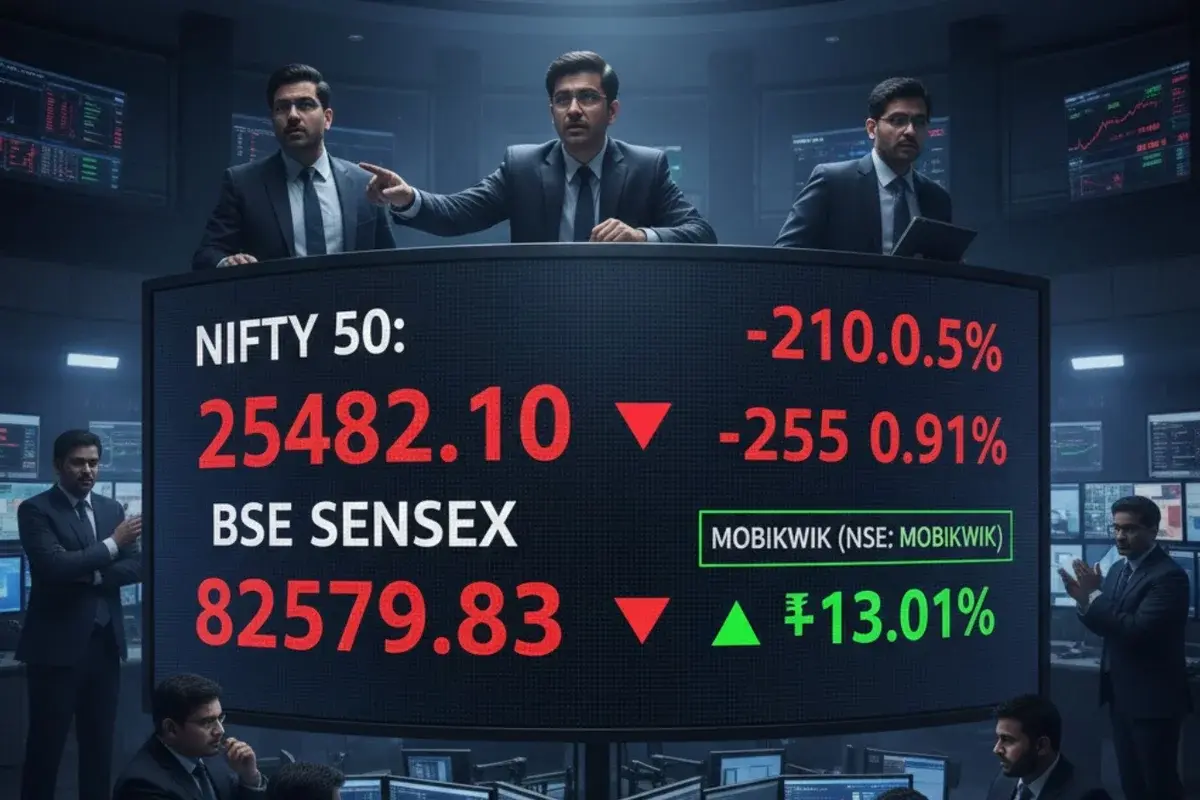
Indian markets experience a sharp correction in February 2026, with Nifty 50 at critical support levels.
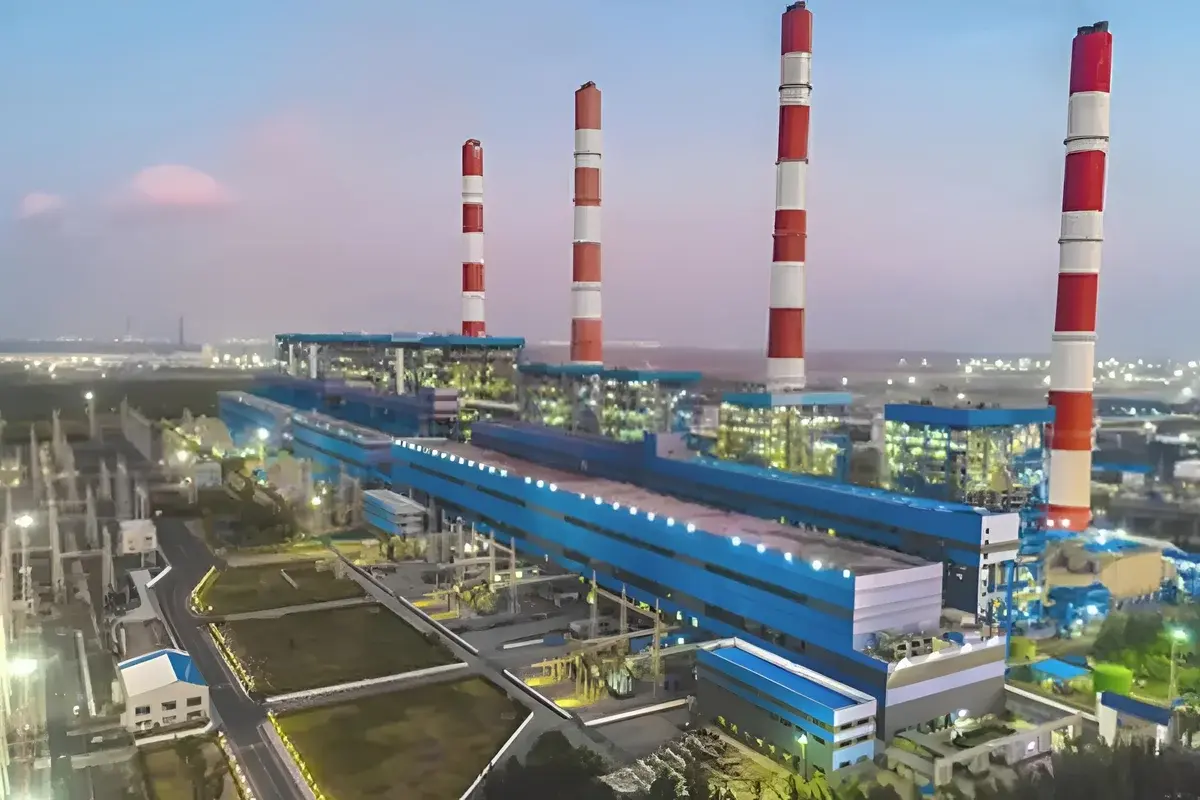
Adani Power’s subsidiary Moxie Power wins a 558 MW, 5-year power supply contract from Tamil Nadu at ₹5.910 per unit.

Coforge shares plummet 5% as Nifty 50 struggles below 25,500. FinScann analyzes the IT sector's challenges, market impact, and investor outlook for...