Loading market data...
Bank of Baroda successfully raises ₹10,000 crore through India's first domestic green infrastructure bond, boosting sustainable finance and renewable energy.
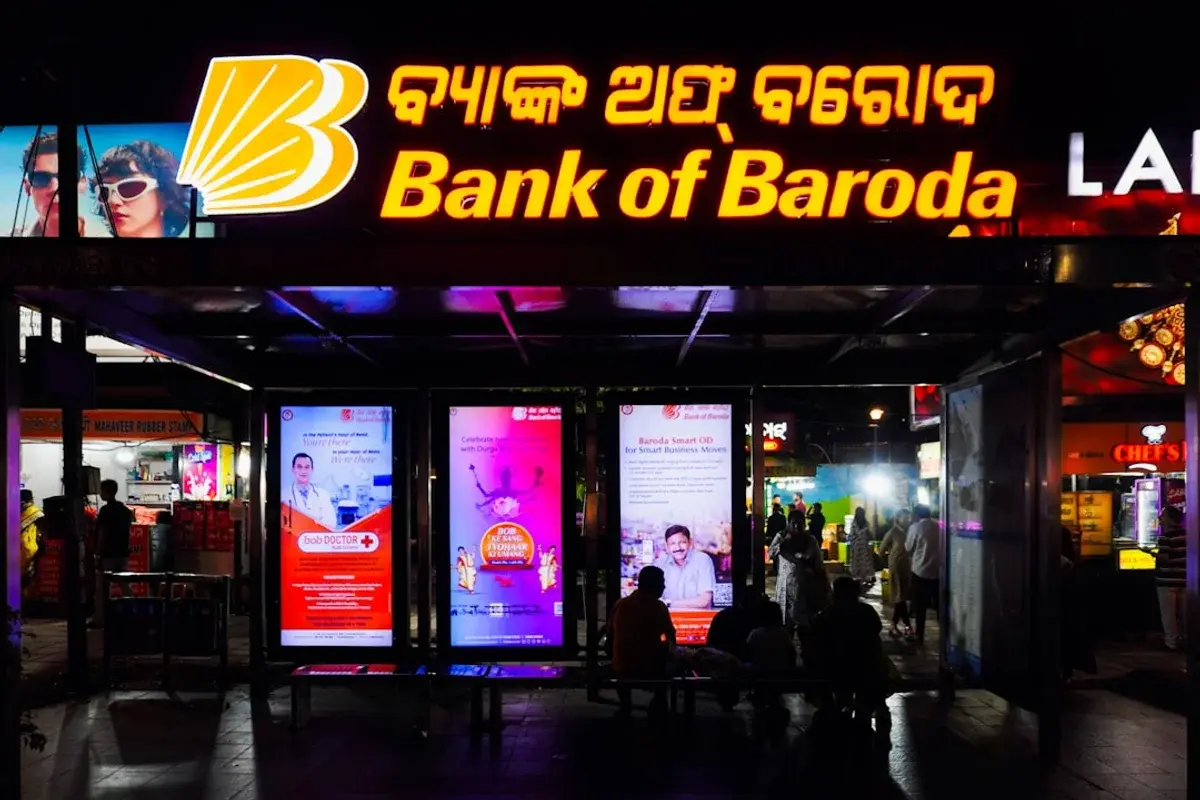
Bank of Baroda (BoB) has made a significant stride in India's sustainable finance landscape, successfully raising ₹10,000 crore through the issuance of its Series I Long-Term Green Infrastructure Bonds. This landmark achievement, completed on March 5, 2026, positions BoB as the first bank in India to issue a domestic green infrastructure bond, underscoring its commitment to environmentally sustainable development. The seven-year bonds, carrying a competitive coupon rate of 7.10%, saw robust demand from 15 institutional investors, with bids totaling an impressive ₹16,415 crore – more than three times the base issue size of ₹5,000 crore. This oversubscription highlights strong investor confidence in BoB's green initiatives and India's burgeoning green finance market. The funds are earmarked to finance eligible green projects, primarily focusing on renewable energy and energy-efficient infrastructure across the nation.
The Catalyst
India's ambitious climate goals, including achieving 'Net Zero' emissions by 2070 and significantly increasing non-fossil fuel energy capacity by 2030, necessitate massive capital mobilization. Green finance is emerging as a critical tool to bridge the substantial funding gap required for these transitions, estimated at US$250 billion annually until 2047 for climate goals alone. Against this backdrop, Bank of Baroda's green bond issuance provides a vital mechanism to channel investments into projects with positive environmental impacts. The bank's move aligns with the increasing global and domestic focus on Environmental, Social, and Governance (ESG) criteria in investment decisions. The issue was executed efficiently through the NSE Electronic Book Platform, opening and closing on March 4, 2026, with allotment finalized on March 5, 2026. This swift process reflects the growing maturity and efficiency of India's debt capital markets for sustainable instruments.
Financial Forensics
The ₹10,000 crore green infrastructure bond issuance by Bank of Baroda was structured as a 7-year, senior, rated, listed, unsecured, redeemable, fully paid-up, non-convertible bond (Series I). The bonds were priced at an attractive coupon rate of 7.10% per annum, which reflected a "greenium" – a pricing advantage due to investor preference for sustainable investments, despite prevailing market volatility. This indicates a strong appetite among institutional investors, including life insurance companies, pension, and provident funds, for high-quality green assets. The issue size was initially ₹5,000 crore, with a green shoe option of an additional ₹5,000 crore, which was fully exercised due to overwhelming demand. The bonds received a robust 'AAA' credit rating with a Stable outlook from both CARE Ratings and ICRA Limited, further enhancing investor confidence.
Comparative Bond Issue Snapshot (Illustrative)
| Parameter | Bank of Baroda Green Infra Bond (Series I) | Previous BoB Infra Bond (Jan 2025) |
|---|---|---|
| Issue Size | ₹10,000 Crore | ₹5,000 Crore |
| Coupon Rate | 7.10% | 7.23% |
| Tenor | 7 Years | 10 Years |
| Allotment Date | March 5, 2026 | January 2025 (Approx.) |
| Rating | AAA (CARE, ICRA) | Not specified in snippet for Jan 2025 |
| Purpose | Green Projects (Renewable Energy, Energy Efficiency) | Infrastructure Projects |
Source: FinScann Analysis of Market Data
Market Impact
This successful issuance by Bank of Baroda sends a strong signal to the broader Indian financial market, encouraging other public and private sector banks to explore green financing avenues. It reinforces India's position in the global sustainable bond market, which has seen substantial growth. The demand for these bonds, evidenced by the significant oversubscription, suggests a growing pool of capital in India specifically seeking ESG-aligned investments. While the Nifty Bank index saw some volatility around March 4, 2026, with a dip of -1.81% due to broader market weakness and FII selling, the long-term implications of such green issuances are positive for the banking sector's capital strength and diversified funding. The ability of banks to raise funds for green projects can improve their asset quality by aligning with national priorities and attracting patient capital.
Key Takeaways for Investors
Moat Analysis
In the context of financial institutions, a "moat" refers to a sustainable competitive advantage that protects a company's long-term profits and market share. For Bank of Baroda, its extensive branch network across India, significant government ownership, and now its early mover advantage in the domestic green infrastructure bond market contribute to its competitive moat. This pioneering green bond issuance enhances its brand reputation, attracts a new class of ESG-conscious investors, and positions it favorably for future green financing opportunities, thus strengthening its "Investment Play" in the evolving sustainable economy.
Q: What are green infrastructure bonds? A: Green infrastructure bonds are debt instruments issued to raise capital specifically for projects that offer environmental benefits, such as renewable energy, energy efficiency, clean transportation, sustainable water and waste management, and green buildings. They are crucial for funding sustainable infrastructure development.
Q: How do green bonds differ from regular bonds? A: While structurally similar to conventional bonds in terms of coupon payments and maturity, the distinguishing factor of green bonds is the mandatory use of proceeds. The funds raised must be allocated exclusively to eligible green or environmentally sustainable projects, and issuers are required to report on the use of these funds and the environmental impact.
Q: What are the regulatory guidelines for green bonds in India? A: In India, green bonds are regulated by the Securities and Exchange Board of India (SEBI), which has laid down a comprehensive framework and guidelines. These guidelines ensure transparency in the use of proceeds, project evaluation, selection, and reporting, preventing "greenwashing" and building investor confidence. SEBI has also expanded the definition to include yellow, blue, and transition bonds.
Q: Why is this Bank of Baroda issuance significant for India? A: This issuance is significant as Bank of Baroda is the first bank in India to issue a domestic green infrastructure bond. It demonstrates the growing commitment of Indian financial institutions to green finance, aids in mobilizing critical capital for India's climate goals, and helps establish a robust domestic green bond market.
Q: How will the funds from these bonds be utilized? A: The proceeds from Bank of Baroda's green infrastructure bonds will be deployed in accordance with the bank's Green Financing Framework and regulatory guidelines. The primary focus areas include financing renewable energy projects (such as wind, solar, hydro, and bioenergy) and other energy-efficient infrastructure initiatives.
Disclaimer: For information only; not investment advice. Stock market investments carry risks. Please consult a SEBI-registered advisor before investing. FinScann assumes no liability for decisions made based on this report.

Financial journalist specializing in market analysis, stock research, and investment trends. Dedicated to providing accurate, timely insights for informed decision-making.
Credentials: Experienced financial journalist with expertise in equity markets and economic analysis
The information provided in this article is for educational and informational purposes only and should not be construed as financial, investment, or legal advice. Finscann does not provide personalized investment recommendations.
For detailed terms and conditions, please read our Disclaimer and Terms of Service.

Angel One reports strong annual growth in February 2026, showcasing resilience in ADTO and client base amidst a slight monthly slowdown in...

FinScann unveils Religare Broking's top stock picks and strategies for India's market rebound in March 2026.

ICICI Direct's latest analysis reveals Indian equity markets historically rebound strongly after geopolitical corrections.
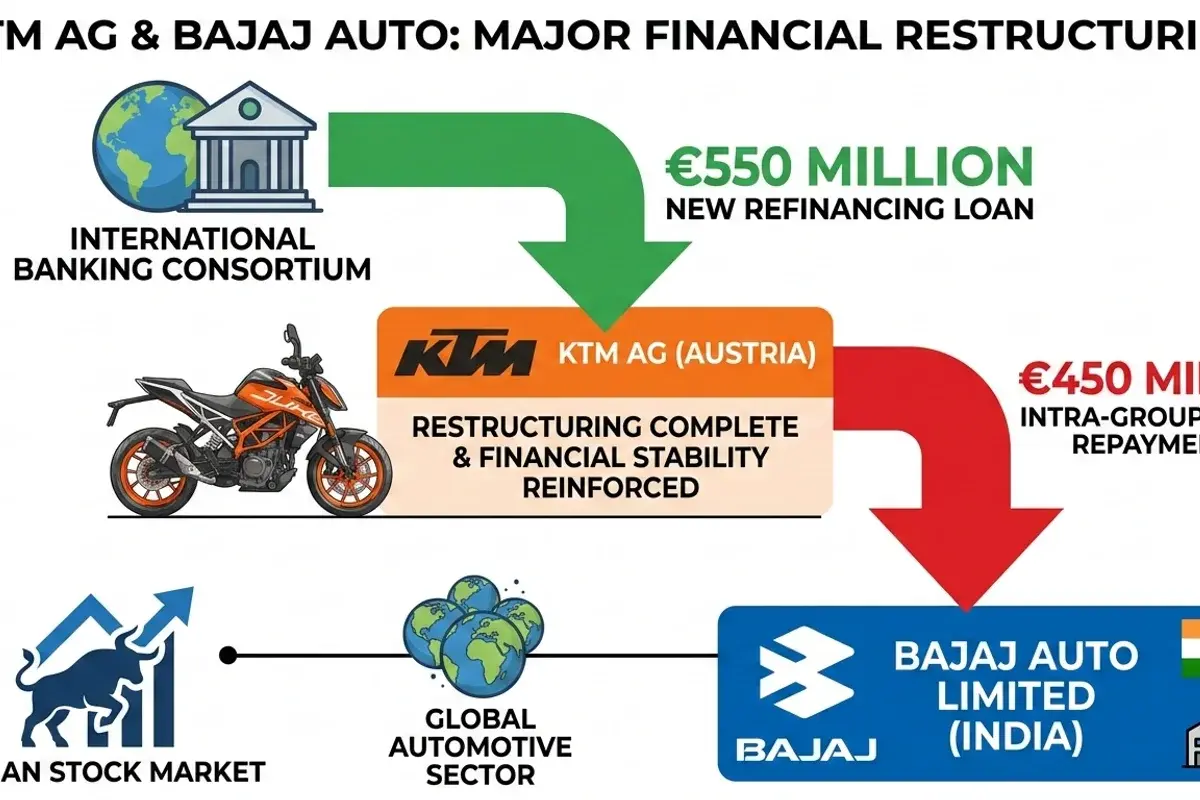
KTM AG repays €450M loan to Bajaj Auto's unit, completing restructuring. FinScann analyzes the financial impact on Bajaj Auto, Pierer Mobility, and...

Tata Elxsi launches DevStudio.ai, an ASPICE-aligned GenAI platform, poised to accelerate automotive software engineering and enhance productivity for...