Loading market data...
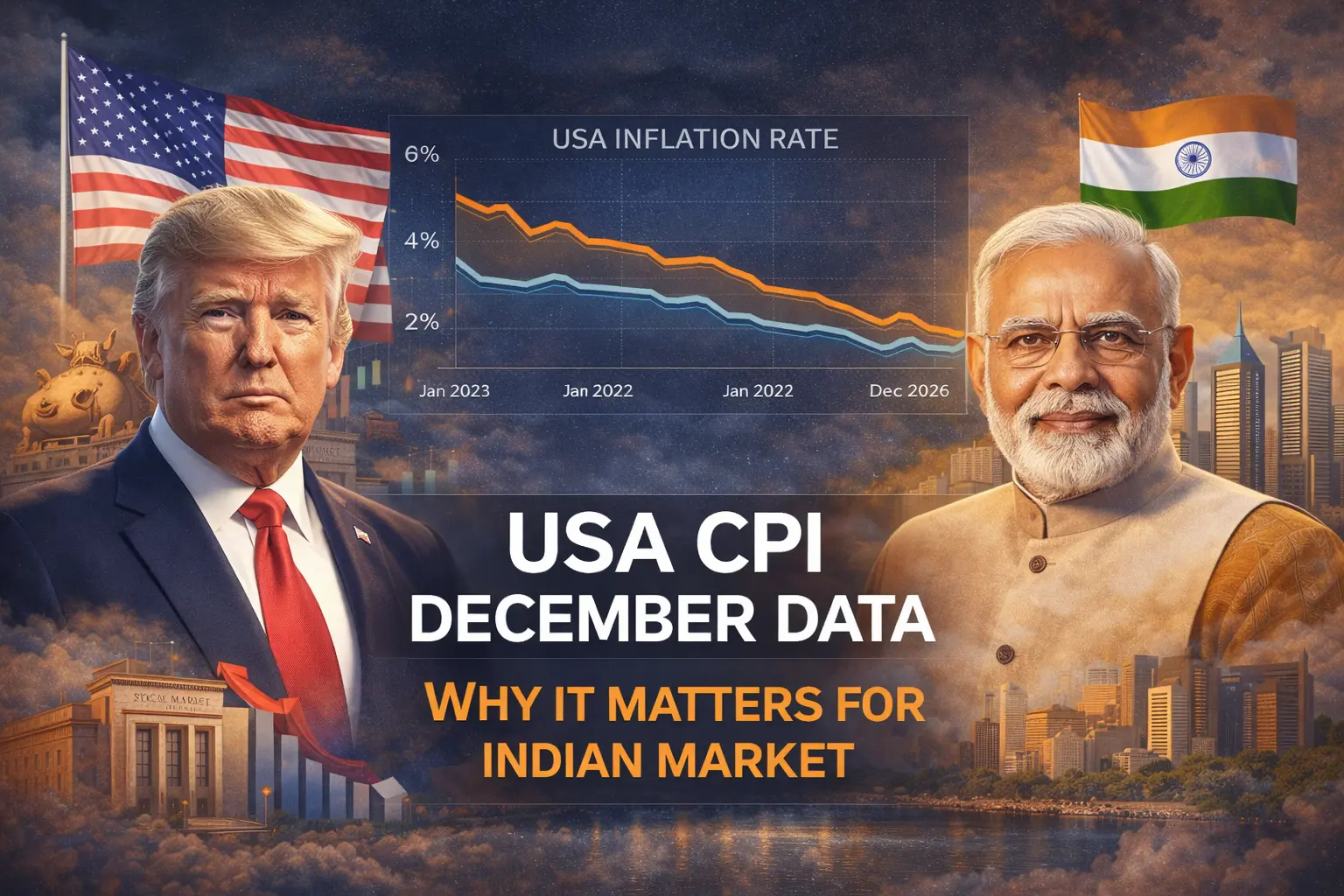
Synopsis The latest USA CPI inflation data for December reinforces a choppy disinflation trend rather than a smooth return to price stability. While headline CPI remained steady at 2.7% YoY and core inflation cooled slightly to 2.6%, underlying pressures remain uneven across sectors. Slowing rent inflation and sustained real wage growth offer relief, but energy-linked services, early-year price resets, and political uncertainty around the Federal Reserve complicate the outlook. For India, softer US inflation improves global risk sentiment, supports capital flows into emerging markets, and strengthens the case for stability across equities, bonds, and the rupee in 2026.
The USA CPI inflation report continues to be one of the most influential global macro indicators for financial markets. December’s data confirms that inflation in the world’s largest economy is easing—but not in a straight line. While the headline numbers indicate progress, the internal composition explains why policymakers and investors remain cautious.
USA CPI Shows Cooling Core, But Volatility Persists
According to the December release, USA CPI rose 2.7% year-on-year, in line with expectations. More importantly, core CPI, which excludes food and energy, increased 2.6% YoY, coming in slightly below market forecasts. This softer core reading was welcomed by global markets as a sign that underlying inflation pressures are moderating.
However, the details reveal divergence. Energy-intensive services saw upward pressure due to higher electricity consumption from data centres and digital infrastructure. In contrast, gasoline prices, airfares, and other travel-related costs declined sharply, pulling inflation lower.
This divergence explains why inflation’s downtrend remains uneven and vulnerable to temporary reversals.
Housing and Wages Offer Structural Relief
One of the most constructive signals from the USA CPI report came from housing. Rent inflation slowed to 2.9% YoY, marking its lowest pace since October 2021. Given housing’s significant weight in CPI calculations, this slowdown materially improves the medium-term inflation outlook.
At the same time, real average hourly earnings rose 1.1% YoY, extending a streak of positive real wage growth to over two-and-a-half years. Wage growth continuing to outpace inflation supports consumption without reigniting a wage–price spiral.
From a macro standpoint, this combination is stabilising rather than inflationary.
Key USA CPI Metrics at a Glance
| Indicator | December Reading | Market Implication |
|---|---|---|
| USA Headline CPI (YoY) | 2.7% | Stable but above Fed target |
| USA Core CPI (YoY) | 2.6% | Softer than expected |
| Rent Inflation (YoY) | 2.9% | Lowest since 2021 |
| Real Wage Growth (YoY) | +1.1% | Supports consumption |
Why the Fed Is Unlikely to Cut Rates Immediately
Despite softer core inflation, economists broadly agree that the Federal Reserve is unlikely to cut interest rates in January. Inflation may be easing, but volatility persists, and the Fed is now placing greater emphasis on labour-market resilience and financial conditions.
Expert Insight “Inflation is no longer the Fed’s sole concern. The labour market and financial stability considerations now carry more weight in policy decisions,” said Ian Lyngen, Head of U.S. Rates Strategy at BMO.
Early-year corporate price resets, insurance costs, and residual tariff effects remain potential sources of near-term inflation pressure.
Political Overhang Adds Another Layer of Uncertainty
Adding complexity is the political environment surrounding US monetary policy. The Trump administration’s criminal investigation into Fed Chair Jerome Powell has raised concerns that any policy easing could be misinterpreted as political accommodation.
As a result, the Fed may choose to delay rate cuts even if inflation trends improve, prioritising institutional independence and credibility.
How USA CPI Trends Help the Indian Market
The USA CPI inflation trajectory has a direct transmission effect on Indian financial markets, making this data highly relevant for Indian investors:
Overall, a reminder that benign USA CPI data is a tailwind for India, even if US rate cuts are delayed rather than immediate.
Additional India-Specific Takeaways for Investors
This reinforces India’s relative attractiveness in a global environment still adjusting to post-pandemic inflation dynamics.
The Bottom Line
The December USA CPI inflation report confirms that disinflation is progressing—but unevenly. While say the data strengthens the case for eventual easing, it does not yet justify expectations of rapid rate cuts.
For Indian markets, the message is constructive: easing US inflation improves global liquidity conditions, supports capital flows, and stabilises macro variables. However, ongoing volatility means disciplined positioning remains essential in 2026.
⚠️ DISCLAIMER: We Are Not Financial Advisors This article is for informational and educational purposes only and does not constitute financial or investment advice. Market conditions and policy decisions may change. Readers should consult qualified professionals before making investment decisions.

Financial journalist specializing in market analysis, stock research, and investment trends. Dedicated to providing accurate, timely insights for informed decision-making.
Credentials: Experienced financial journalist with expertise in equity markets and economic analysis
The information provided in this article is for educational and informational purposes only and should not be construed as financial, investment, or legal advice. Finscann does not provide personalized investment recommendations.
For detailed terms and conditions, please read our Disclaimer and Terms of Service.
No additional articles in this category yet.