Loading market data...
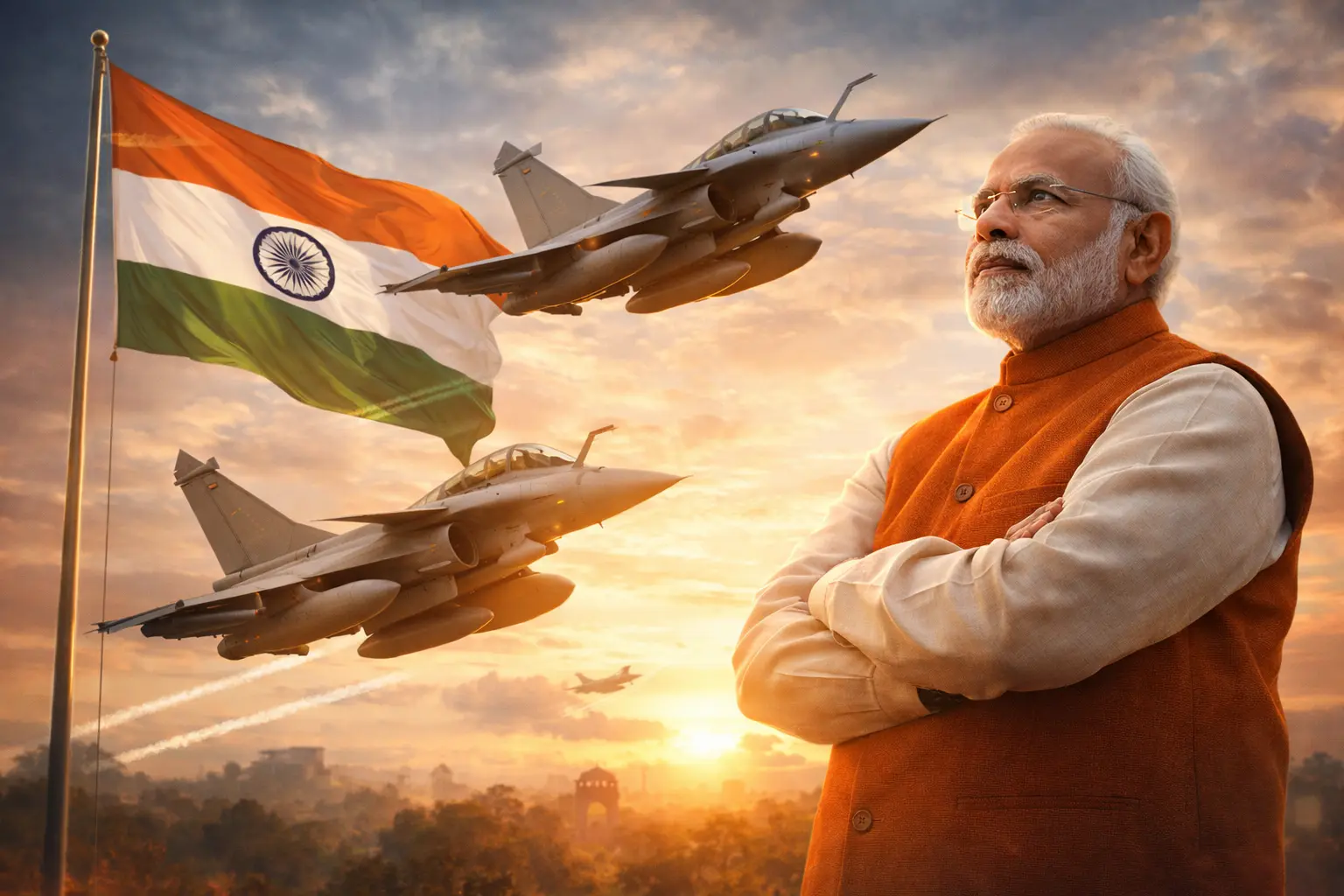
Defence Procurement Board Clears 114 Rafale Jets in Biggest-Ever Fighter Deal for India
Synopsis: India has taken a decisive step to strengthen its air power as the Defence Procurement Board (DPB) cleared the acquisition of 114 additional Rafale fighter jets, marking the country’s largest-ever defence aircraft deal. Valued at around ₹3.25 lakh crore, the proposed India–France agreement is expected to significantly boost the Indian Air Force’s combat readiness while accelerating domestic defence manufacturing under the Make in India framework.
India’s defence modernisation push gained major momentum on Friday after the Defence Procurement Board approved the purchase of 114 Rafale fighter jets, one of the most ambitious fighter aircraft acquisitions in the nation’s history.
The proposal will now move to the Defence Acquisition Council (DAC) and subsequently to the Cabinet Committee on Security (CCS) for final approval. Once cleared, the deal would reshape India’s fighter fleet and address long-standing capability gaps in the Indian Air Force (IAF).
Why the Rafale Deal Matters for India
The clearance comes at a time when the IAF is operating with a shrinking squadron strength, well below its sanctioned requirement. The induction of 114 Rafale jets is aimed at rapidly enhancing combat capability through a proven, multi-role platform that can perform air superiority, deep strike, reconnaissance, and nuclear deterrence missions.
Defence officials indicate the deal will be executed under a government-to-government framework with France, ensuring faster timelines and strategic reliability.
Key Highlights of the 114 Rafale Jet Proposal
If approved by the CCS, this acquisition would take India’s total Rafale fleet to 176 aircraft, including:
Manufacturing Push and Make in India Impact
A key feature of the deal is its strong domestic manufacturing component. The bulk of the aircraft are planned to be assembled in India, reinforcing the government’s push to build a self-reliant defence ecosystem.
Last year, Tata Advanced Systems Limited signed agreements with Dassault Aviation to manufacture Rafale fuselage sections in India. In addition, parallel projects under discussion include:
Over time, these initiatives could raise the indigenous content in Rafale programmes to nearly 60%, according to defence industry estimates.
Strategic and Geopolitical Significance
The Rafale expansion strengthens India’s strategic partnership with France and reinforces defence cooperation amid rising geopolitical uncertainties. For India, the deal is not just about numbers—it is about operational readiness, technological depth, and long-term deterrence capability.
The move also aligns with India’s broader defence strategy of diversifying suppliers while ensuring advanced technology access through trusted partners.
Frequently Asked Questions
Why is India buying more Rafale jets now?
The Indian Air Force urgently needs modern fighter aircraft to counter regional threats and compensate for retiring legacy platforms. Rafale offers immediate operational capability.
Will all Rafale jets be made in India?
No. A small number will be delivered in fly-away condition initially, while most will be manufactured or assembled in India with increasing local content.
How big is this deal compared to previous defence purchases?
At ₹3.25 lakh crore, this would become India’s largest-ever defence acquisition if fully approved.
Will this benefit Indian defence companies?
Yes. The deal is expected to generate significant opportunities for Indian manufacturers, suppliers, and MSMEs across the defence value chain.
What happens next?
The proposal will go to the Defence Acquisition Council and then the Cabinet Committee on Security for final clearance.
What Lies Ahead
If the final approvals come through, the Rafale deal will mark a turning point in India’s air power modernisation and defence manufacturing journey. With increasing localisation, long-term industrial partnerships, and technology absorption, the programme could shape India’s aerospace ecosystem for decades.
For investors, defence suppliers, and strategic watchers, this clearance signals that India’s defence spending cycle is entering a decisive expansion phase.
⚠️ DISCLAIMER: We Are Not Financial Advisors This article is for informational and educational purposes only and does not constitute investment advice or a recommendation. Defence procurement developments are subject to regulatory approvals and policy changes. Readers should conduct independent research before making any financial or strategic decisions.

Financial journalist specializing in market analysis, stock research, and investment trends. Dedicated to providing accurate, timely insights for informed decision-making.
Credentials: Experienced financial journalist with expertise in equity markets and economic analysis
The information provided in this article is for educational and informational purposes only and should not be construed as financial, investment, or legal advice. Finscann does not provide personalized investment recommendations.
For detailed terms and conditions, please read our Disclaimer and Terms of Service.
No additional articles in this category yet.