Loading market data...
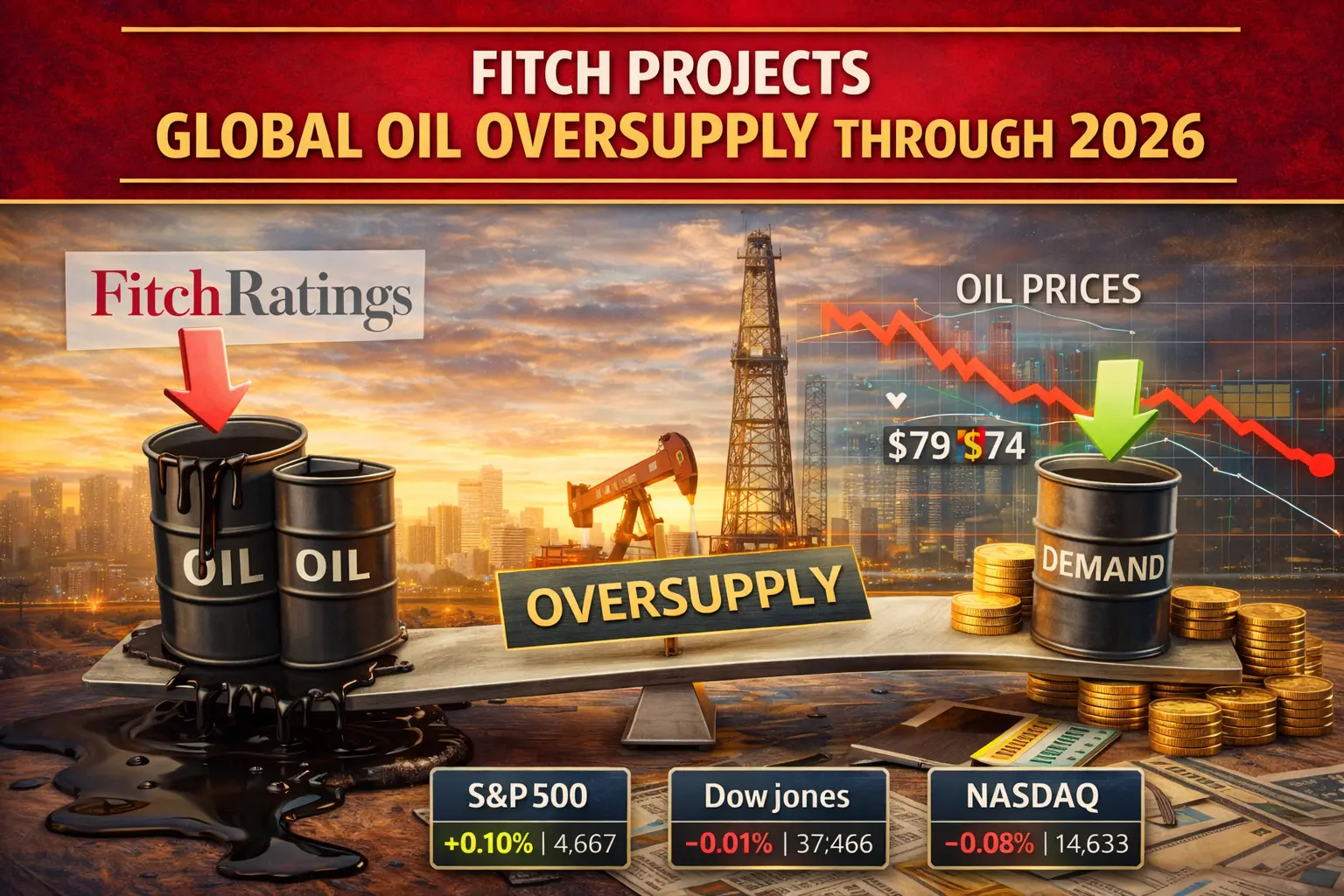
Synopsis: The global energy landscape is bracing for a sustained period of imbalance. As of January 17, 2026, Fitch Ratings has reaffirmed its forecast that the oil market will remain significantly oversupplied through 2026. With production growth from both OPEC+ and non-OPEC nations outpacing tepid global demand, the industry is entering a "neutral" yet challenging phase characterized by softer prices and strict capital discipline.
1. The Macro Forecast: Supply vs. Demand
Fitch’s analysis paints a picture of a market where the "supply tap" remains wide open while the "demand engine" is losing steam.
2. Key Factors Driving the 2026 Oversupply
Several structural and geopolitical factors are converging to create this persistent glut:
3. Business & Industry Impact
The "Neutral" outlook from Fitch suggests that while the environment is tough, the industry has learned the lessons of past crashes.
| Business Segment | Impact Level | Strategic Response |
|---|---|---|
| Upstream (E&P) | High | Shifting to "short-cycle" projects and strict capital preservation. |
| Oilfield Services | Moderate | Weaker pricing for exploration; resilience in production-maintenance services. |
| Refining | Low | Supportive margins due to tapering of new capacity and tight distillate balances. |
| Exporters (Nations) | High | Significant pressure on national budgets; focus on "predictable revenue" over price spikes. |
4. Expert Insights: The "Disciplined" Survival
"Most global oil and gas companies are entering this period of oversupply with the strongest balance sheets we've seen in a decade. While prices are soft, their focus on short-cycle projects and low-carbon initiatives allows them to withstand volatility without the catastrophic Capex cuts seen in 2014 or 2020." — Fitch Ratings Sector Outlook.
5. Looking Ahead: Market Watch 2026
As we move deeper into 2026, the primary "wildcards" will be:
⚠️ DISCLAIMER: This report is based on Fitch Ratings' projections and current market data as of early 2026. Energy markets are subject to extreme volatility due to geopolitical events. Consult a specialist for investment decisions. Visit finscann.com for real-time commodity trackers.

Financial journalist specializing in market analysis, stock research, and investment trends. Dedicated to providing accurate, timely insights for informed decision-making.
Credentials: Experienced financial journalist with expertise in equity markets and economic analysis
The information provided in this article is for educational and informational purposes only and should not be construed as financial, investment, or legal advice. Finscann does not provide personalized investment recommendations.
For detailed terms and conditions, please read our Disclaimer and Terms of Service.
No additional articles in this category yet.