Loading market data...
HDFC Silver ETF came under sharp pressure after silver prices collapsed again, triggering a steep sell-off across silver-linked ETFs. With silver ETFs crashing up to 21 percent, investor sentiment has turned cautious amid extreme volatility driven by a stronger dollar, easing geopolitical risks, and profit booking. While the correction has raised concerns about near-term downside, long-term investors are weighing whether the dip offers accumulation opportunities through staggered investing.

Silver-linked exchange-traded funds (ETFs) witnessed a sharp sell-off as silver prices collapsed again, triggering panic across commodity-backed investment products. Among the hardest hit was HDFC Silver ETF, which came under intense pressure as silver ETFs plunged up to 21 percent in a single session, reflecting extreme volatility in the white metal.
The sharp correction follows a parabolic rally in silver prices over recent months and has raised a crucial question for investors: is this a warning sign to stay away, or an opportunity to accumulate at lower levels?
Live global silver prices are benchmarked on COMEX Silver.
What Triggered the Crash in Silver ETFs?
The steep fall in HDFC Silver ETF mirrors the sharp decline in underlying silver prices, driven by a combination of global macro and technical factors:
• Strengthening US dollar, which pressures dollar-denominated commodities • Cooling geopolitical tensions, reducing safe-haven demand • Heavy profit-booking after speculative excess • ETF outflows amid extreme volatility • Shifting expectations on US interest rate cuts
Silver prices had briefly surged above $90 per ounce, but the rally quickly reversed, leading to forced unwinding across futures and ETF positions.
Dollar movements impacting silver can be tracked via the US Dollar Index (DXY).
Business Impact on HDFC Silver ETF
The correction has direct implications for HDFC Silver ETF’s performance, as the ETF is physically backed and tracks domestic silver prices linked to global benchmarks.
Key business impacts include:
• Sharp NAV erosion due to falling silver prices • Increased short-term volatility, impacting retail sentiment • Potential ETF outflows as investors book losses • Higher tracking sensitivity to global commodity swings
However, it is important to note that price volatility does not alter the ETF’s structure, holdings, or regulatory framework.
Details on ETF structure and disclosures are available on HDFC Mutual Fund.
Industry Context: Silver ETFs Under Pressure Across the Board
The sell-off was not limited to HDFC Silver ETF. Across the industry, silver ETFs saw heavy declines as investors rushed to reduce exposure.
Silver ETFs tend to be more volatile than gold ETFs because silver has a dual role — both as a precious metal and an industrial commodity. This makes silver more sensitive to:
• Global growth expectations • Manufacturing and solar demand • Currency movements • Speculative positioning
Domestic pricing and futures trends influencing ETFs are closely linked to MCX Silver Futures.
Market Context: Commodity Volatility Spikes
The crash in silver ETFs comes amid broader volatility across commodities, equities, and currencies. Markets are reassessing the outlook for global growth and monetary easing, leading to sharp corrections in previously overheated trades.
Signals from the US Federal Reserve continue to play a decisive role in shaping investor behaviour toward non-yielding assets like silver.
Should Investors Stay Away or Buy the Fear?
Analysts are divided, and the answer depends on investment horizon and risk appetite.
Reasons to Stay Cautious
• Silver remains highly volatile • Further downside cannot be ruled out in the short term • ETF prices can swing sharply during thin liquidity • Not suitable for conservative or short-term investors
Reasons Some Investors May Accumulate Gradually
• Long-term demand from renewable energy and electronics • Portfolio diversification benefits • Potential upside if rate cuts resume • Accumulation opportunities via staggered investing
Experts generally advise avoiding lump-sum buying and instead adopting a phased allocation approach if investing in silver ETFs.
What Investors Should Watch Next
Key triggers that could impact HDFC Silver ETF performance include:
• Direction of global silver prices • US dollar strength and interest rate signals • ETF inflows and outflows • Industrial demand indicators • Global risk sentiment
Any stabilisation in silver prices could help restore confidence, while continued volatility may keep ETF prices under pressure.
Bottom Line
The sharp fall in HDFC Silver ETF highlights the inherent volatility of silver as an asset class. While the long-term investment case for silver remains intact for some investors, the current phase demands discipline, patience, and careful position sizing.
For most retail investors, silver ETFs should remain a small satellite allocation, not a core portfolio holding — especially during periods of extreme market swings.

Financial journalist specializing in market analysis, stock research, and investment trends. Dedicated to providing accurate, timely insights for informed decision-making.
Credentials: Experienced financial journalist with expertise in equity markets and economic analysis
The information provided in this article is for educational and informational purposes only and should not be construed as financial, investment, or legal advice. Finscann does not provide personalized investment recommendations.
For detailed terms and conditions, please read our Disclaimer and Terms of Service.
Gold and silver rates jump on MCX today amid dollar weakness and escalating US-Iran conflict.

Global crude oil prices have soared by 18% this week, with Brent nearing $85/barrel. FinScann analyzes the Middle East crisis, Strait of Hormuz...
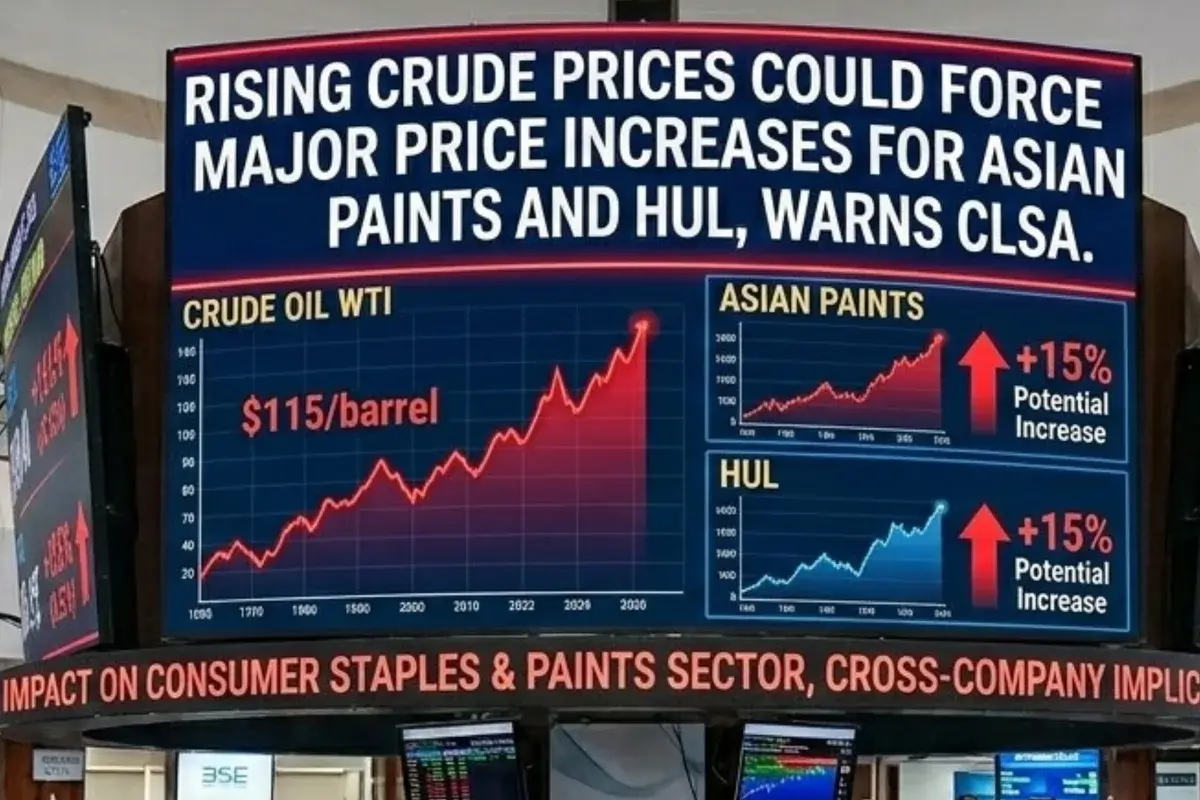
Surging crude oil prices could force major price increases for Indian giants Asian Paints and HUL, warns CLSA.
Gold prices on MCX soar to ₹1.64 lakh in March 2026, driven by intense US-Iran tensions. FinScann analyzes safe-haven demand and future outlook for...
Silver prices soar over 3% in March 2026 as Middle East tensions escalate and a weaker US dollar fuels safe-haven demand.