Loading market data...
IIFL Home Finance secures a landmark $300M ADB loan, its first syndicated external commercial borrowing, enhancing affordable housing access for women in India. FinScann analyzes the impact.

Breaking: IIFL Home Finance Secures Landmark $300M ADB Loan for Women's Affordable Housing – February 2026 Analysis
IIFL Home Finance Limited (IIFL HFL) has successfully secured a substantial $300 million (approximately ₹2,700 crore) loan facility from the Asian Development Bank (ADB) and parallel lenders, marking a significant milestone as the company's first syndicated external commercial borrowing (ECB). Announced on Friday, February 27, 2026, this strategic funding is explicitly aimed at bolstering affordable housing access for lower-income borrowers, with a keen focus on empowering women homeowners across peri-urban and urban areas and in lagging states of India. This move by IIFL Home Finance not only diversifies its funding profile but also directly addresses India's persistent and widening affordable housing deficit, which is estimated to reach 31 million units by 2030.
The Catalyst
The $300 million syndicated ECB facility is a direct response to India's acute affordable housing crisis, especially impacting economically weaker and low-income households, where women constitute a mere 13% of homeowners. The facility is structured to channel vital financial resources towards a demographic that has historically faced significant barriers in accessing formal credit and asset ownership. A crucial aspect of this financing package is the allocation of over 25% of the loan proceeds towards green-certified affordable homes, aligning with both sustainable development goals and the growing emphasis on climate-resilient construction practices within India's real estate sector. This strategic emphasis underscores IIFL HFL's commitment to social equity and environmental responsibility, positioning it as a leader in sustainable finance within the Indian housing market.
Financial Forensics
The $300 million financing package is a syndicated arrangement, with the ADB acting as the mandated lead arranger and bookrunner. The funding comprises $150 million directly from the ADB and an additional $150 million in parallel loans from a consortium of international banks, including Japan's MUFG, Emirates Bank, Sri Lanka's Sampath Bank, and Hatton National Bank. This diversification of funding sources is a critical development for IIFL Home Finance, signaling its enhanced capacity to tap into international debt markets and de-risk its funding profile. As of December 31, 2025, IIFL Home Finance reported Assets Under Management (AUM) of nearly ₹40,000 crore (approximately $4.8 billion). This substantial capital infusion will allow IIFL HFL to extend its reach into deeper markets, enabling homeownership aspirations for a larger segment of the population. The recent amendments by the Reserve Bank of India (RBI) to the External Commercial Borrowings (ECB) framework, effective February 16, 2026, which rationalize borrowing limits and remove all-in-cost ceilings for financial sector-regulated entities like NBFCs, further facilitate such international borrowings.
Comparative Financial Overview: IIFL Home Finance
| Metric | Value (as of Dec 31, 2025/Feb 27, 2026) | Source |
|---|---|---|
| ADB Loan Facility | $300 million (₹2,700 crore) | |
| ADB Direct Contribution | $150 million | |
| Parallel Loans | $150 million | |
| AUM | ₹40,000 crore | |
| Green Homes Allocation | >25% of loan proceeds |
Source: FinScann Analysis, based on public disclosures and financial reports.
Market Impact
This landmark ECB facility for IIFL Home Finance is expected to have a multi-faceted impact on the Indian housing finance sector and broader economy. By targeting women in low-income communities, the loan aims to boost financial inclusion and asset ownership among a traditionally underserved segment, which has a positive multiplier effect on household stability, education, and health. The emphasis on green-certified homes will also spur demand for sustainable construction practices, contributing to India's climate goals. The broader housing market in India continues to face challenges, with an estimated shortage of nearly 1 crore affordable homes, which could escalate to 2.5 crore by 2030. The supply of affordable housing units (priced below ₹50 lakh) in major cities has significantly declined, constituting only 17% of new launches by 2025, down from 52.4% in 2018. This strategic infusion of capital into affordable housing for women is a critical step towards mitigating this deficit and fostering inclusive growth.
Key Takeaways
Moat Analysis: IIFL Home Finance
IIFL Home Finance possesses a "moat" primarily through its deep penetration into semi-urban and rural markets, coupled with its expertise in serving the informal income segment, which is often overlooked by larger, more traditional lenders. This specialization in high-touch, tailored lending for low-income borrowers, particularly women, creates a strong customer base and a significant entry barrier for new players. The company's robust underwriting capabilities for this unique segment, combined with strong relationships at the grassroots level, form a sustainable competitive advantage. Its collaboration with international bodies like ADB further strengthens its financial stability and access to diversified, lower-cost funding, cementing its position as a key "investment play" in India's growing affordable housing sector.
FinScann Verdict
The $300 million ADB-led syndicated loan to IIFL Home Finance is a game-changer, not only for the company's financial strength and global standing but also for its profound social and environmental impact. This move reinforces IIFL HFL's strategic position in India's affordable housing market, particularly its commitment to women's economic empowerment and sustainable development. Investors should view this as a significant positive, indicating a robust growth trajectory and a strong alignment with critical national priorities.
Q: What is syndicated external commercial borrowing (ECB)? A: Syndicated external commercial borrowing (ECB) refers to a loan facility arranged by a group of lenders (a syndicate) for an Indian entity, typically involving foreign currency. It allows for larger loan amounts and broader participation from international financial institutions. This particular loan marks IIFL Home Finance's first foray into such a syndicated ECB.
Q: How will this loan primarily benefit women in India? A: The loan proceeds will be on-lent by IIFL Home Finance to provide mortgages specifically to women in low-income communities within peri-urban and urban areas, as well as in economically lagging states across India. This initiative directly addresses the significant disparity in homeownership for women, who currently constitute only 13% of homeowners in India.
Q: What is the significance of "green-certified affordable homes" in this context? A: Over 25% of the loan amount is specifically earmarked for financing green-certified affordable homes. This aligns with India's increasing focus on sustainable and climate-resilient construction practices, contributing to environmental goals while making housing affordable. It also positions IIFL Home Finance as a leader in green finance.
Q: What is India's current affordable housing deficit? A: India is currently grappling with a severe housing shortage, estimated at 31 million units by 2030, with the deficit most pronounced among economically weaker and low-income households. The supply of new affordable homes (priced below ₹50 lakh) has also significantly decreased in recent years.
Q: Have RBI regulations on ECBs recently changed? A: Yes, the Reserve Bank of India (RBI) introduced significant amendments to its External Commercial Borrowings (ECB) framework, effective February 16, 2026. These changes aim to rationalize various aspects of the regime, including expanding eligible borrowers and lenders, adjusting average maturity restrictions, and removing all-in-cost ceilings, particularly for financial sector-regulated entities like IIFL Home Finance. The borrowing limit has also been increased to the higher of $1 billion or 300% of net worth for non-financially regulated entities, while RBI-regulated entities (like NBFCs) can borrow uncapped amounts under the new framework.
Disclaimer: For information only; not investment advice. Stock market investments carry risks. Please consult a SEBI-registered advisor before investing. FinScann assumes no liability for decisions made based on this report.

Financial journalist specializing in market analysis, stock research, and investment trends. Dedicated to providing accurate, timely insights for informed decision-making.
Credentials: Experienced financial journalist with expertise in equity markets and economic analysis
The information provided in this article is for educational and informational purposes only and should not be construed as financial, investment, or legal advice. Finscann does not provide personalized investment recommendations.
For detailed terms and conditions, please read our Disclaimer and Terms of Service.
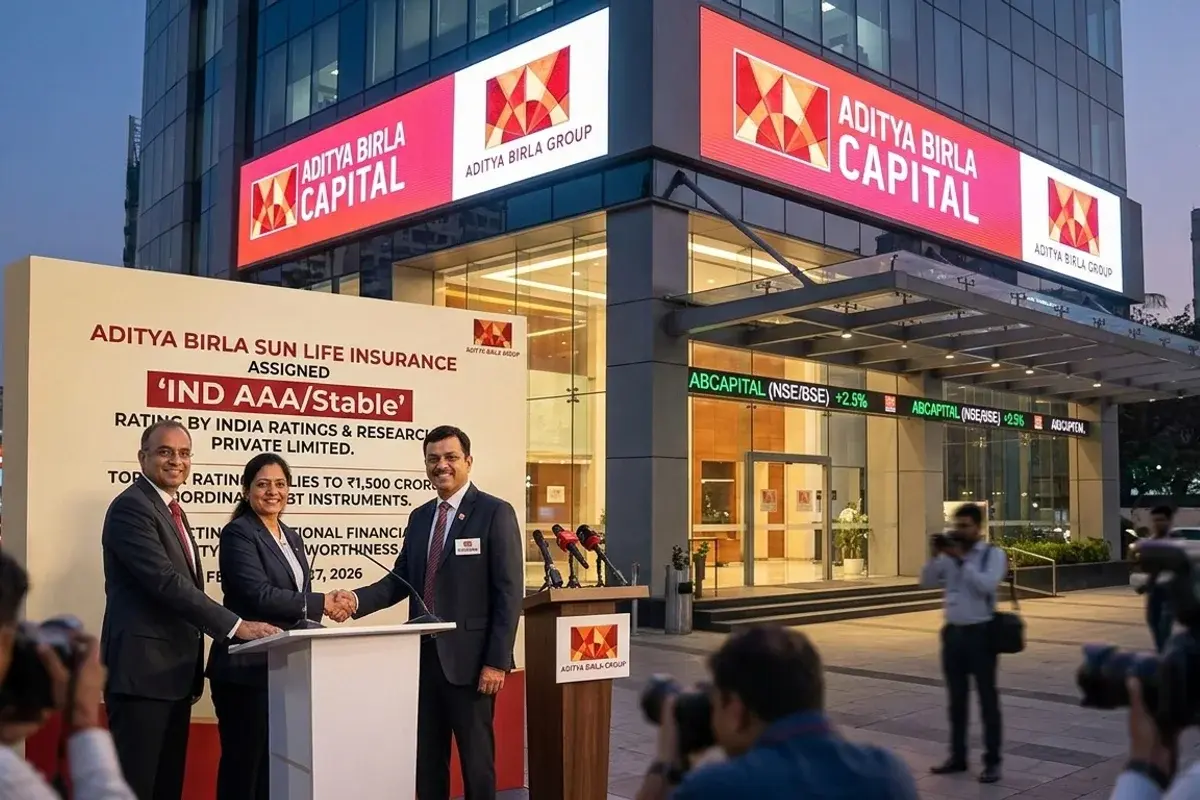
Aditya Birla Capital (ABCAPITAL) subsidiary, Aditya Birla Sun Life Insurance, secures a coveted AAA rating for its ₹1,500 Cr subordinate debt,...
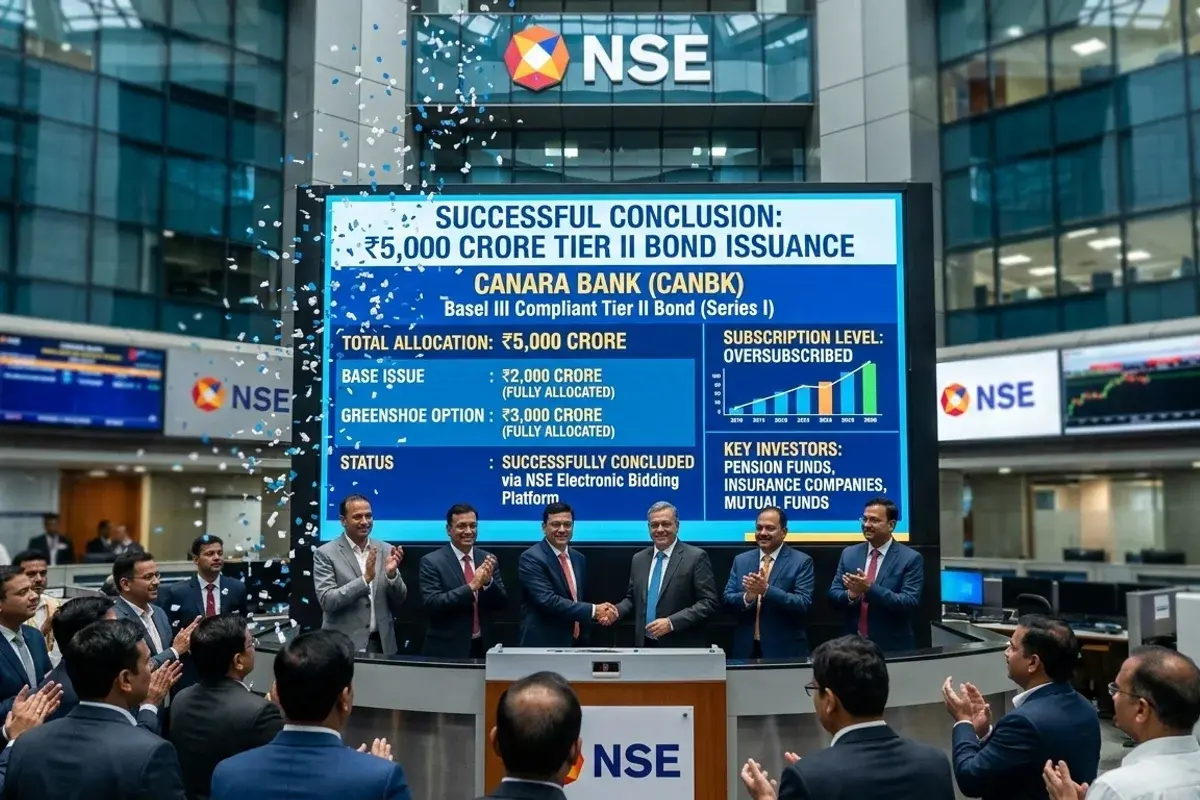
Canara Bank successfully issues ₹5,000 Cr Basel III Tier II bonds. FinScann analyzes the impact on its capital, market position, and future growth in...
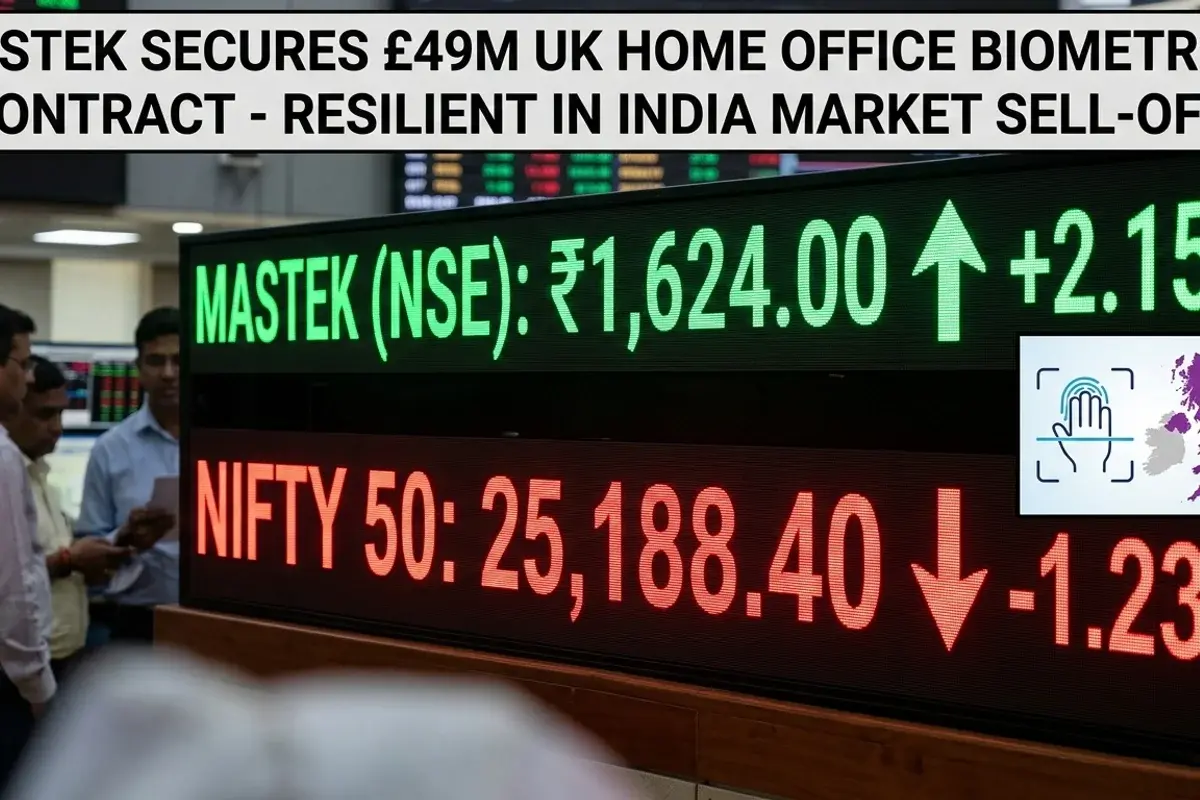
Mastek secures a pivotal £49 million UK Home Office biometrics contract, cementing its GovTech presence.

Promoters offload 5.33% stake in Home First Finance triggering stock decline, while Motilal Oswal acquires 1.
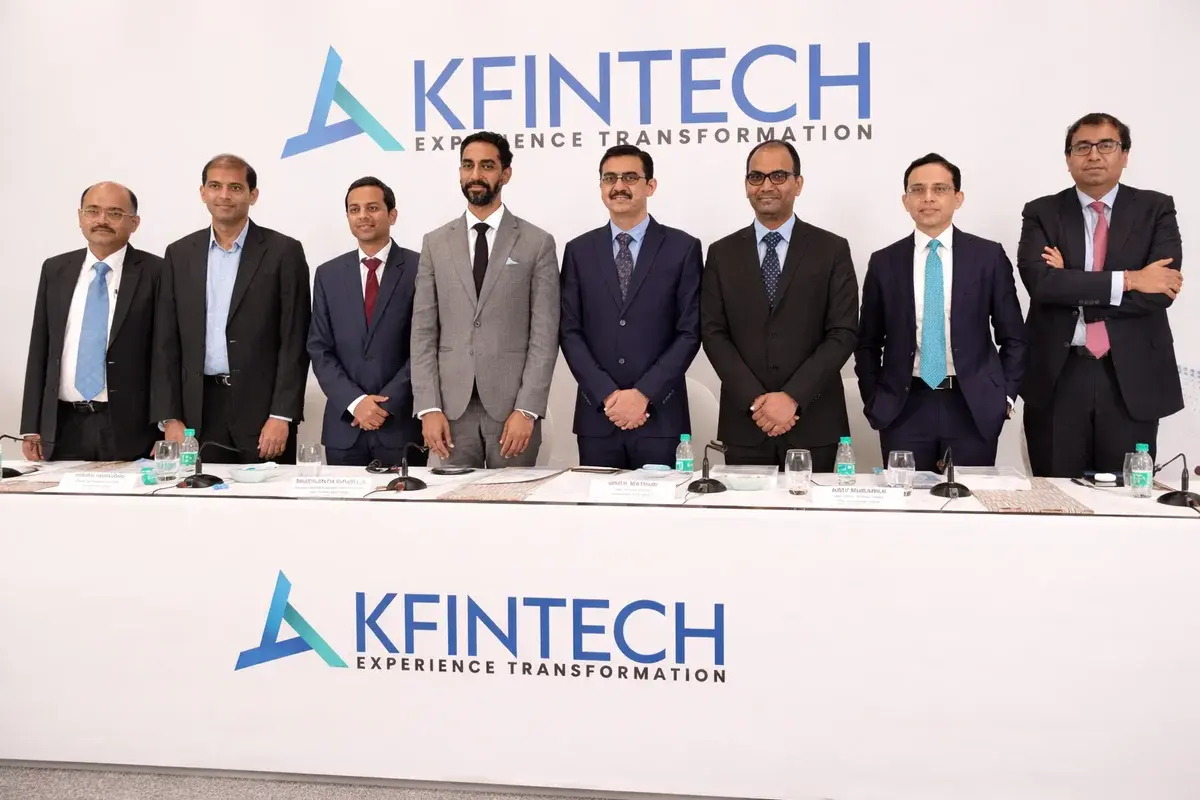
MF Central, the KFintech–CAMS joint venture, appoints Rajesh Krishnamoorthy as CEO and Supratim Bandyopadhyay as Chairman.